


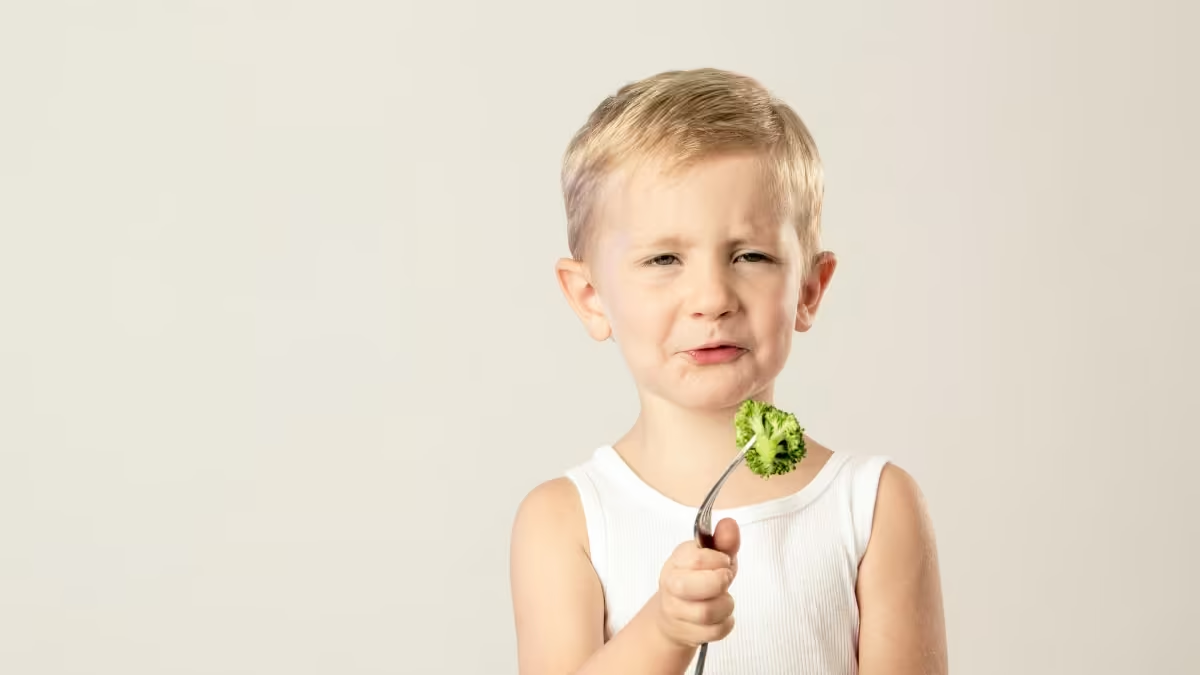
Getting toddlers to eat nutritious foods can feel like negotiating with tiny dictators. When it comes to fiber—a nutrient crucial for healthy digestion and preventing constipation—the challenge becomes even greater. Research shows that most children, including toddlers, consume only about half the recommended fiber intake (1). The good news? With creative approaches and kid-friendly recipes, you can boost your toddler’s fiber intake without mealtime battles.
Why Fiber Matters for Toddlers
According to the American Academy of Pediatrics, toddlers ages 1-3 need about 19 grams of fiber daily (2). Adequate fiber helps prevent constipation, supports gut health, and establishes healthy eating patterns that can last a lifetime. Studies show that children who consume sufficient fiber have fewer digestive issues and may have better concentration and energy levels (3).
1. Colorful Overnight Oats
Oats are fiber powerhouses, providing both soluble and insoluble fiber. One small cup of cooked oatmeal provides about 4 grams of fiber, making it an excellent breakfast option.
Kid-Friendly Recipe: Mix ½ cup rolled oats with ¾ cup milk (dairy or plant-based) and 1 tablespoon of chia seeds. Add a mashed banana or 2 tablespoons of unsweetened applesauce for natural sweetness. Refrigerate overnight. In the morning, top with colorful berries and a drizzle of honey (for children over 12 months).
Research published in the Journal of Food Science and Technology found that overnight soaking makes oats more digestible while preserving their fiber content (4). The addition of chia seeds boosts the fiber content even further, with just one tablespoon providing about 5 grams of fiber.
2. Bean and Cheese Quesadillas
Beans are among the highest-fiber foods available, with about 6-8 grams per half-cup serving. They’re also rich in protein and iron—nutrients crucial for growing toddlers.
Kid-Friendly Recipe: Mash ¼ cup of black or pinto beans and spread on a whole wheat tortilla (which adds another 3 grams of fiber). Sprinkle with shredded cheese, fold, and cook until the cheese melts. Cut into triangles and serve with mild salsa or guacamole for dipping.
A study in the journal Nutrients found that children who regularly consume beans have higher overall nutrient intakes, including fiber, protein, and several vitamins and minerals (5). The familiar format of a quesadilla makes this high-fiber food more appealing to hesitant eaters.
3. Sweet Potato Pancakes
Sweet potatoes are nutritional superstars for toddlers, providing about 3-4 grams of fiber per medium potato, along with beta-carotene and vitamin C.
Kid-Friendly Recipe: Mix ½ cup mashed sweet potato (roasted or steamed) with 1 beaten egg, ¼ cup whole wheat flour, ¼ teaspoon cinnamon, and a splash of vanilla. Cook small pancakes on a lightly oiled griddle. Serve with a dollop of Greek yogurt and a sprinkle of crushed walnuts (for toddlers over 2 years with no nut allergies).
Research in the Journal of Pediatric Gastroenterology and Nutrition suggests that colorful foods like sweet potatoes are more appealing to young children, increasing the likelihood they’ll accept these nutrient-dense options (6).

4. Mini Veggie Muffins
Vegetables can be challenging to introduce to toddlers, but baking them into muffins often increases acceptance while preserving their fiber content.
Kid-Friendly Recipe: Combine 1 cup whole wheat flour, ½ teaspoon baking soda, and ½ teaspoon cinnamon. In another bowl, mix 1 egg, ¼ cup applesauce, ¼ cup milk, 2 tablespoons honey (for children over 12 months), and ½ cup grated zucchini or carrots (squeezed to remove excess moisture). Combine wet and dry ingredients and bake in mini-muffin tins at 350°F for 12-15 minutes.
A study published in the American Journal of Clinical Nutrition found that incorporating vegetables into baked goods significantly increased vegetable consumption in young children (7). Each mini muffin provides approximately 2 grams of fiber.
5. Fruity Chia Pudding
Chia seeds are fiber champions, with about 5 grams per tablespoon. They’re also rich in omega-3 fatty acids, which support brain development.
Kid-Friendly Recipe: Mix 2 tablespoons chia seeds with 1 cup milk (dairy or plant-based) and 1 tablespoon maple syrup or honey (for children over 12 months). Add ¼ teaspoon vanilla extract and refrigerate for at least 2 hours or overnight. Top with diced fruits like strawberries, blueberries, or kiwi for additional fiber.
Research in the Journal of Food Science and Technology found that chia seeds can absorb up to 12 times their weight in water, forming a gel-like substance that helps promote regular bowel movements (8). The pudding-like texture is appealing to many toddlers, especially when topped with colorful fruits.
6. Lentil Pasta with Hidden Veggies
Lentil pasta provides about twice the fiber of regular pasta, with approximately 6-7 grams per serving. It’s also higher in protein, making it nutritionally superior to conventional pasta.
Kid-Friendly Recipe: Cook lentil pasta according to package directions. Meanwhile, sauté finely diced onions, carrots, and zucchini until soft. Add marinara sauce and simmer for 5 minutes. Blend the vegetable-sauce mixture until smooth, then toss with the cooked pasta. Sprinkle with Parmesan cheese.
A study in the International Journal of Food Sciences and Nutrition found that legume-based pastas like those made from lentils have a lower glycemic index than wheat pasta, providing more sustained energy for active toddlers (9).
7. Fiber-Boosted Smoothie Bowls
Smoothie bowls allow you to pack multiple fiber sources into one appealing package. The thick texture makes them more satisfying than drinkable smoothies for many toddlers.
Kid-Friendly Recipe: Blend 1 frozen banana, ½ cup frozen berries, ¼ cup spinach (the taste is masked by the fruit), ½ cup milk or yogurt, and 1 teaspoon ground flaxseed. Pour into a bowl and top with sliced fruit, a sprinkle of granola, and a drizzle of nut butter (for children over 2 years with no nut allergies).
Research published in Pediatrics found that smoothies can be an effective way to increase fruit and vegetable consumption in children (10). The addition of ground flaxseed adds about 2 grams of fiber per teaspoon, plus beneficial omega-3 fatty acids.
Tips for Increasing Fiber Acceptance
- Start gradually: Suddenly increasing fiber can cause gas and discomfort. Add high-fiber foods slowly over several weeks.
- Ensure adequate hydration: Fiber works best with plenty of water. Offer water throughout the day, especially when increasing fiber intake.
- Make it fun: Use cookie cutters to create shapes, arrange food in patterns, or create “food faces” to make high-fiber meals more appealing.
- Be a role model: Toddlers are more likely to accept foods they see parents enjoying. Make family meals fiber-rich for everyone.
- Involve toddlers in preparation: Even young children can help wash fruits, stir batters, or sprinkle toppings. Participation increases acceptance.
- Consider a fiber supplement: For particularly picky eaters, a pediatrician might recommend a gentle fiber supplement like miNATURALS Inulin Fiber, which dissolves easily in liquids and has a mild, slightly sweet taste that’s well-accepted by children.
- Be patient and persistent: Research shows it may take 10-15 exposures to a new food before a child accepts it (11). Keep offering high-fiber foods without pressure.

When to Consult a Pediatrician
While increasing fiber is beneficial for most toddlers, consult your pediatrician if your child experiences persistent constipation, diarrhea, or abdominal pain. These could indicate food sensitivities or other digestive issues that require medical attention.
Remember, establishing healthy eating patterns during the toddler years sets the foundation for lifelong nutrition habits. By creatively incorporating high-fiber foods into your toddler’s diet, you’re supporting not just their digestive health, but their overall wellbeing and relationship with food.
References
- Kranz S, Brauchla M, Slavin JL, Miller KB. What Do We Know about Dietary Fiber Intake in Children and Health? The Effects of Fiber Intake on Constipation, Obesity, and Diabetes in Children. Adv Nutr. 2012;3(1):47-53.
- American Academy of Pediatrics Committee on Nutrition. Pediatric Nutrition Handbook. 7th ed. Elk Grove Village, IL: American Academy of Pediatrics; 2014.
- Edwards CA, Xie C, Garcia AL. Dietary fibre and health in children and adolescents. Proc Nutr Soc. 2015;74(3):292-302.
- Gupta M, Bawa AS, Abu-Ghannam N. Effect of barley flour and freeze-thaw cycles on textural nutritional and functional properties of cookies. Food Bioprod Process. 2011;89(4):520-527.
- Papanikolaou Y, Fulgoni VL. Bean consumption is associated with greater nutrient intake, reduced systolic blood pressure, lower body weight, and a smaller waist circumference in adults: results from the National Health and Nutrition Examination Survey 1999-2002. J Am Coll Nutr. 2008;27(5):569-576.
- Mennella JA, Reiter AR, Daniels LM. Vegetable and Fruit Acceptance during Infancy: Impact of Ontogeny, Genetics, and Early Experiences. Adv Nutr. 2016;7(1):211S-219S.
- Spill MK, Birch LL, Roe LS, Rolls BJ. Hiding vegetables to reduce energy density: an effective strategy to increase children’s vegetable intake and reduce energy intake. Am J Clin Nutr. 2011;94(3):735-741.
- Ullah R, Nadeem M, Khalique A, et al. Nutritional and therapeutic perspectives of Chia (Salvia hispanica L.): a review. J Food Sci Technol. 2016;53(4):1750-1758.
- Foschia M, Horstmann SW, Arendt EK, Zannini E. Legumes as Functional Ingredients in Gluten-Free Bakery and Pasta Products. Annu Rev Food Sci Technol. 2017;8:75-96.
- Byrd-Bredbenner C, Ferruzzi MG, Fulgoni VL, et al. Satisfying America’s Fruit Gap: Summary of an Expert Roundtable on the Role of 100% Fruit Juice. J Food Sci. 2017;82(7):1523-1534.
- Anzman-Frasca S, Savage JS, Marini ME, Fisher JO, Birch LL. Repeated exposure and associative conditioning promote preschool children’s liking of vegetables. Appetite. 2012;58(2):543-553.
Quick Reference: Fiber Content in Toddler-Friendly Foods
| Food | Serving Size | Fiber (g) | Best Ways to Serve |
|---|---|---|---|
| Oatmeal | ½ cup cooked | 2-3 | Overnight oats, oatmeal fingers, oat pancakes |
| Beans | ¼ cup | 3-4 | Quesadillas, mashed on toast, bean dips |
| Sweet potato | ¼ cup mashed | 2-3 | Pancakes, mashed, roasted sticks |
| Berries | ¼ cup | 1-2 | Smoothies, on yogurt, as finger food |
| Chia seeds | 1 tablespoon | 5 | Puddings, added to smoothies, sprinkled on yogurt |
| Lentil pasta | ½ cup cooked | 3-4 | With smooth sauce, pasta salad, soup |
| Whole wheat bread | 1 slice | 2 | Toast strips, sandwiches cut in shapes |
| Apples | ½ medium with skin | 2 | Sliced thin, grated into oatmeal, applesauce |
| Pears | ½ medium with skin | 2-3 | Sliced, diced in yogurt, poached |
| Broccoli | ¼ cup cooked | 1-2 | “Trees” with dip, finely chopped in pasta sauce |
