


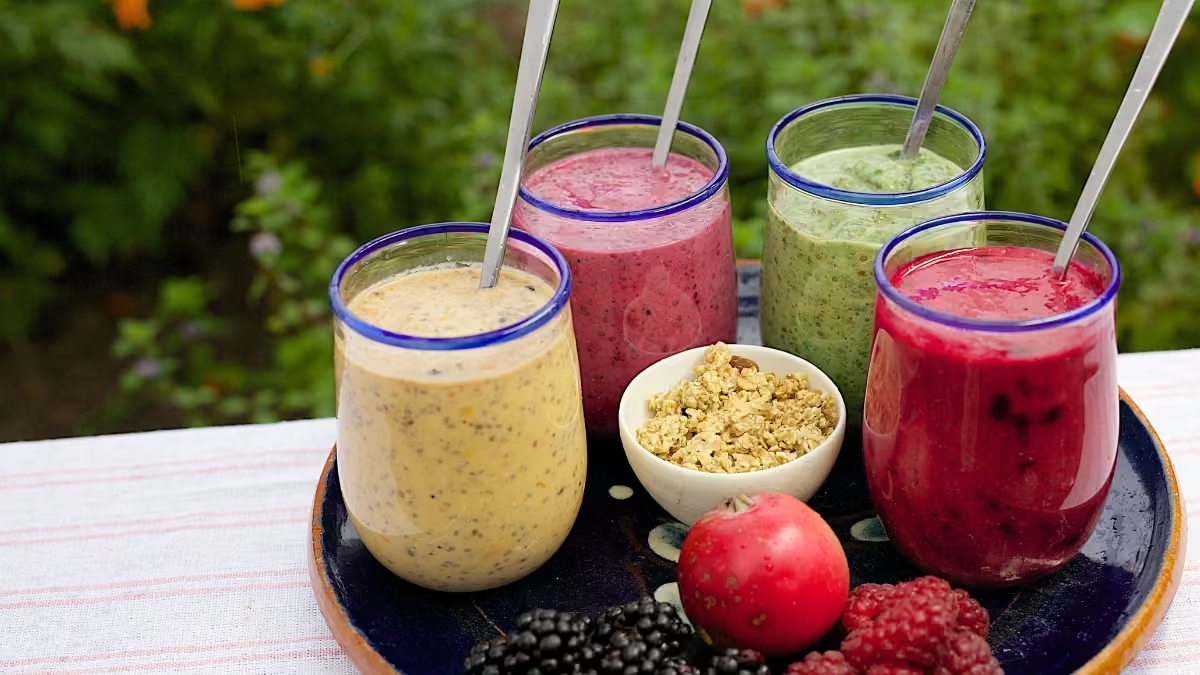
Constipation affects millions of adults, with studies showing that up to 27% of the population experiences symptoms regularly (1). While there are many remedies available, high-fiber smoothies offer a delicious and effective natural solution. These blended beverages deliver fiber in an easily digestible form, along with the hydration necessary for fiber to work effectively. Research shows that liquid fiber supplements can be particularly effective for constipation relief (2), and smoothies offer the perfect delivery system.
The Science Behind Fiber and Constipation
Before diving into recipes, it’s important to understand how fiber works. There are two main types: soluble fiber, which dissolves in water to form a gel-like substance that softens stool, and insoluble fiber, which adds bulk and helps move waste through the digestive system (3). For optimal constipation relief, consuming both types along with adequate hydration is key.
The American Gastroenterological Association recommends 25-30 grams of fiber daily for adults (4), yet most Americans consume only about 15 grams. Smoothies can help bridge this gap, delivering 7-10 grams of fiber in a single serving.
Inulin fiber, like that found in miNATURALS Inulin Fiber, is a particularly effective type of soluble fiber for constipation relief. Research published in the International Journal of Food Sciences and Nutrition found that inulin supplementation significantly improved bowel function in adults with constipation (5). As a prebiotic fiber, inulin also nourishes beneficial gut bacteria, supporting overall digestive health.
1. The Berry Gut Healer
Berries are fiber powerhouses, with raspberries containing an impressive 8 grams per cup. They’re also rich in polyphenols that support gut health and reduce inflammation (6).
Ingredients:
- 1 cup mixed berries (raspberries, blackberries, strawberries)
- 1 tablespoon chia seeds
- 1 tablespoon miNATURALS Inulin Fiber
- ½ banana (preferably slightly green)
- 1 cup unsweetened almond milk
- ½ cup spinach (you won’t taste it)
- Ice cubes (optional)
Fiber Content: Approximately 14-16 grams
Why It Works: This smoothie combines multiple fiber sources with different benefits. Berries provide insoluble fiber for bulk, while chia seeds and miNATURALS Inulin Fiber offer soluble fiber that forms a gel in the digestive tract. Research in the Journal of Nutrition found that berry polyphenols may enhance the growth of beneficial gut bacteria, further supporting digestive health (7).
The inulin fiber works synergistically with the other ingredients, feeding beneficial gut bacteria while helping to soften stool. A slightly underripe banana contains resistant starch, a type of fiber that acts as a prebiotic, complementing the prebiotic effects of inulin for comprehensive gut support.
2. The Green Gut Mover
Green smoothies combine leafy vegetables with fruits for a palatable way to consume significant fiber. This combination provides both soluble and insoluble fiber along with essential nutrients.
Ingredients:
- 1 cup kale or spinach
- 1 ripe pear (with skin)
- ½ avocado
- 1 tablespoon miNATURALS Inulin Fiber
- 1 tablespoon fresh ginger
- Juice of ½ lemon
- 1 cup coconut water
- Ice cubes (optional)
Fiber Content: Approximately 10-12 grams
Why It Works: Pears are one of the highest-fiber fruits, containing both soluble and insoluble fiber, plus natural sorbitol that has a mild laxative effect. Research published in Food & Function found that pears significantly improved stool frequency and consistency in constipated subjects (8).
The miNATURALS Inulin Fiber enhances the smoothie’s effectiveness by providing additional soluble fiber that works gently to relieve constipation. A clinical trial found that inulin supplementation significantly improved bowel function in adults with constipation without causing the gas and bloating associated with some other fiber supplements (9).
Avocado contributes healthy fats that help lubricate the digestive tract, while ginger has been shown to accelerate gastric emptying, potentially helping to stimulate sluggish digestion (10).
3. The Prune Power Smoothie
Prunes (dried plums) have a well-deserved reputation for relieving constipation. Research shows they may be even more effective than psyllium fiber supplements (11).
Ingredients:
- 5-6 prunes, soaked in warm water for 10 minutes
- 1 ripe banana
- ¾ cup Greek yogurt
- 1 tablespoon almond butter
- 1 tablespoon miNATURALS Inulin Fiber
- ½ teaspoon cinnamon
- 1 cup almond milk
Fiber Content: Approximately 10-12 grams
Why It Works: Prunes work through multiple mechanisms. They contain both soluble and insoluble fiber, plus sorbitol and phenolic compounds that stimulate the digestive system. A study in Alimentary Pharmacology & Therapeutics found that prunes were more effective than psyllium for improving stool frequency and consistency (11).
The addition of miNATURALS Inulin Fiber complements the natural fiber in prunes, providing a gentle boost that enhances effectiveness without causing discomfort. Research shows that combining different types of fiber can be more effective than using a single source (12).
The yogurt provides probiotics that work synergistically with the prebiotic inulin fiber, creating an optimal environment for gut health. Studies show that this probiotic-prebiotic combination (known as synbiotics) may be particularly effective for constipation relief (13).
4. The Tropical Digestive Aid
This tropical-inspired smoothie combines fiber-rich fruits with anti-inflammatory ingredients for comprehensive digestive support.
Ingredients:
- 1 cup fresh pineapple chunks
- ½ papaya, peeled and seeded
- 1 tablespoon chia seeds
- 1 tablespoon miNATURALS Inulin Fiber
- 1 inch fresh turmeric root (or 1 teaspoon ground)
- ¼ teaspoon black pepper (enhances turmeric absorption)
- 1 cup coconut milk (light, canned)
- ½ cup ice
Fiber Content: Approximately 9-11 grams
Why It Works: Both pineapple and papaya contain enzymes (bromelain and papain, respectively) that aid protein digestion and may help reduce inflammation in the digestive tract. A study in Molecular Nutrition & Food Research found that bromelain improved symptoms in patients with digestive disorders (14).
Papaya contains a significant amount of fiber and water, both essential for healthy bowel movements. Research in the Journal of Medicinal Food found that papaya preparation significantly improved constipation and bloating in a clinical trial (15).
The miNATURALS Inulin Fiber adds prebiotic benefits that support the growth of beneficial gut bacteria. Research shows that a healthy gut microbiome is essential for proper digestive function and regular bowel movements (16). The mild, slightly sweet taste of inulin blends perfectly with the tropical flavors in this smoothie.

5. The Overnight Relief Smoothie
This smoothie is designed to be prepared in the evening and consumed in the morning for maximum effectiveness, taking advantage of the body’s natural digestive rhythms.
Ingredients:
- ½ cup rolled oats, soaked overnight in 1 cup almond milk
- 2 dried figs, chopped and soaked with the oats
- 1 tablespoon miNATURALS Inulin Fiber
- 1 kiwi, peeled
- ½ banana
- 1 tablespoon honey (optional)
- ¼ teaspoon cardamom
- Ice cubes (optional)
Fiber Content: Approximately 11-13 grams
Why It Works: Overnight soaking of oats increases their digestibility while preserving their fiber content. Oats contain beta-glucan, a soluble fiber that forms a gel-like substance in the digestive tract, helping to soften stool.
Figs are one of the highest-fiber fruits, with about 2 grams per fig. Research in the Korean Journal of Internal Medicine found that fig paste was effective in treating functional constipation (17).
The addition of miNATURALS Inulin Fiber provides a gentle boost of soluble fiber that works overnight to soften stool and stimulate beneficial bacteria. Studies show that consuming prebiotic fiber in the evening may maximize its effectiveness by allowing it to work throughout the night when the digestive system is at rest (18).
Kiwi contains both soluble and insoluble fiber, plus actinidin, an enzyme that may aid protein digestion. A study in the Asia Pacific Journal of Clinical Nutrition found that consuming two kiwi fruits daily significantly improved bowel function in adults with constipation (19).
Tips for Maximum Effectiveness
- Start with the right amount: Begin with 1 teaspoon of miNATURALS Inulin Fiber per smoothie and gradually increase to 1 tablespoon as your body adjusts. This minimizes any potential gas or bloating while your digestive system adapts.
- Drink immediately after blending: Fiber begins to break down once exposed to air, so consume your smoothie right after preparation for maximum benefit.
- Follow with water: Drink an additional glass of water after your smoothie to ensure adequate hydration, which is essential for fiber to work effectively.
- Consistency matters: For best results, consume a high-fiber smoothie daily, preferably in the morning to work with your body’s natural digestive rhythm.
- Consider timing: Some people find that consuming fiber in the morning helps stimulate bowel movements later in the day. Experiment to find what works best for your body.
- Store properly: If you make extra miNATURALS Inulin Fiber-enhanced smoothies, store them in an airtight container in the refrigerator and consume within 24 hours for maximum nutritional benefit.
- Listen to your body: If you experience any discomfort, reduce the amount of fiber and gradually increase as your body adjusts. Everyone’s digestive system is different.
When to See a Doctor
While dietary changes often help relieve constipation, persistent symptoms warrant medical attention. See a healthcare provider if constipation lasts more than two weeks, is accompanied by pain or bleeding, or if you experience unexplained weight loss.
Remember that smoothies should complement, not replace, a fiber-rich diet. For long-term digestive health, aim to consume a variety of high-fiber foods throughout the day, stay well-hydrated, and maintain regular physical activity.
References
- Suares NC, Ford AC. Prevalence of, and risk factors for, chronic idiopathic constipation in the community: systematic review and meta-analysis. Am J Gastroenterol. 2011;106(9):1582-1591.
- McRorie JW Jr. Evidence-Based Approach to Fiber Supplements and Clinically Meaningful Health Benefits, Part 2: What to Look for and How to Recommend an Effective Fiber Therapy. Nutr Today. 2015;50(2):90-97.
- Slavin JL. Position of the American Dietetic Association: health implications of dietary fiber. J Am Diet Assoc. 2008;108(10):1716-1731.
- American Gastroenterological Association Medical Position Statement: Guidelines on Constipation. Gastroenterology. 2013;144(1):211-217.
- Micka A, Siepelmeyer A, Holz A, Theis S, Schön C. Effect of consumption of chicory inulin on bowel function in healthy subjects with constipation: a randomized, double-blind, placebo-controlled trial. Int J Food Sci Nutr. 2017;68(1):82-89.
- Yang J, Wang HP, Zhou L, Xu CF. Effect of dietary fiber on constipation: A meta analysis. World J Gastroenterol. 2012;18(48):7378-7383.
- Parkar SG, Stevenson DE, Skinner MA. The potential influence of fruit polyphenols on colonic microflora and human gut health. Int J Food Microbiol. 2008;124(3):295-298.
- Shinohara K, Ohashi Y, Kawasumi K, Terada A, Fujisawa T. Effect of apple intake on fecal microbiota and metabolites in humans. Anaerobe. 2010;16(5):510-515.
- Vandeputte D, Falony G, Vieira-Silva S, et al. Prebiotic inulin-type fructans induce specific changes in the human gut microbiota. Gut. 2017;66(11):1968-1974.
- Wu KL, Rayner CK, Chuah SK, et al. Effects of ginger on gastric emptying and motility in healthy humans. Eur J Gastroenterol Hepatol. 2008;20(5):436-440.
- Attaluri A, Donahoe R, Valestin J, Brown K, Rao SS. Randomised clinical trial: dried plums (prunes) vs. psyllium for constipation. Aliment Pharmacol Ther. 2011;33(7):822-828.
- McRorie JW Jr, McKeown NM. Understanding the Physics of Functional Fibers in the Gastrointestinal Tract: An Evidence-Based Approach to Resolving Enduring Misconceptions about Insoluble and Soluble Fiber. J Acad Nutr Diet. 2017;117(2):251-264.
- Dimidi E, Christodoulides S, Scott SM, Whelan K. Mechanisms of Action of Probiotics and the Gastrointestinal Microbiota on Gut Motility and Constipation. Adv Nutr. 2017;8(3):484-494.
- Hale LP, Greer PK, Trinh CT, James CL. Proteinase activity and stability of natural bromelain preparations. Int Immunopharmacol. 2005;5(4):783-793.
- Muss C, Mosgoeller W, Endler T. Papaya preparation (Caricol®) in digestive disorders. Neuro Endocrinol Lett. 2013;34(1):38-46.
- Quigley EMM. Gut microbiome as a clinical tool in gastrointestinal disease management: are we there yet? Nat Rev Gastroenterol Hepatol. 2017;14(5):315-320.
- Oh HG, Lee HY, Seo MY, et al. Effects of Ficus carica paste on constipation induced by a high-protein feed and movement restriction in beagles. Lab Anim Res. 2011;27(4):275-281.
- Rao SSC, Yu S, Fedewa A. Systematic review: dietary fibre and FODMAP-restricted diet in the management of constipation and irritable bowel syndrome. Aliment Pharmacol Ther. 2015;41(12):1256-1270.
- Chan AO, Leung G, Tong T, Wong NY. Increasing dietary fiber intake in terms of kiwifruit improves constipation in Chinese patients. World J Gastroenterol. 2007;13(35):4771-4775.
Quick Reference: Fiber Content in Smoothie Ingredients
| Ingredient | Serving Size | Fiber (g) | Special Benefits |
|---|---|---|---|
| miNATURALS Inulin Fiber | 1 tablespoon | 5 | Prebiotic that feeds beneficial bacteria |
| Raspberries | 1 cup | 8 | Contains polyphenols, high water content |
| Chia seeds | 1 tablespoon | 5 | Forms gel in digestive tract |
| Pear (with skin) | 1 medium | 6 | Contains natural sorbitol |
| Avocado | ½ medium | 5 | Provides lubricating healthy fats |
| Prunes | 5-6 dried | 3-4 | Contains sorbitol and phenolic compounds |
| Kale | 1 cup raw | 2-3 | Rich in magnesium that relaxes digestive muscles |
| Figs (dried) | 2 medium | 4 | Natural laxative properties |
| Kiwi | 1 medium | 2 | Contains actinidin enzyme |
| Oats | ½ cup dry | 4 | Contains beta-glucan |
