



Travel constipation affects millions of travelers annually, turning dream vacations into uncomfortable ordeals. That bloated, backed-up feeling can put a serious damper on your travel experience just when you should be enjoying yourself most. Whether you’re exploring exotic destinations or attending important business meetings, constipation while traveling is an unwelcome companion that many face but few discuss openly. Let’s explore why this happens and how inulin might be your digestive savior when you’re away from home.

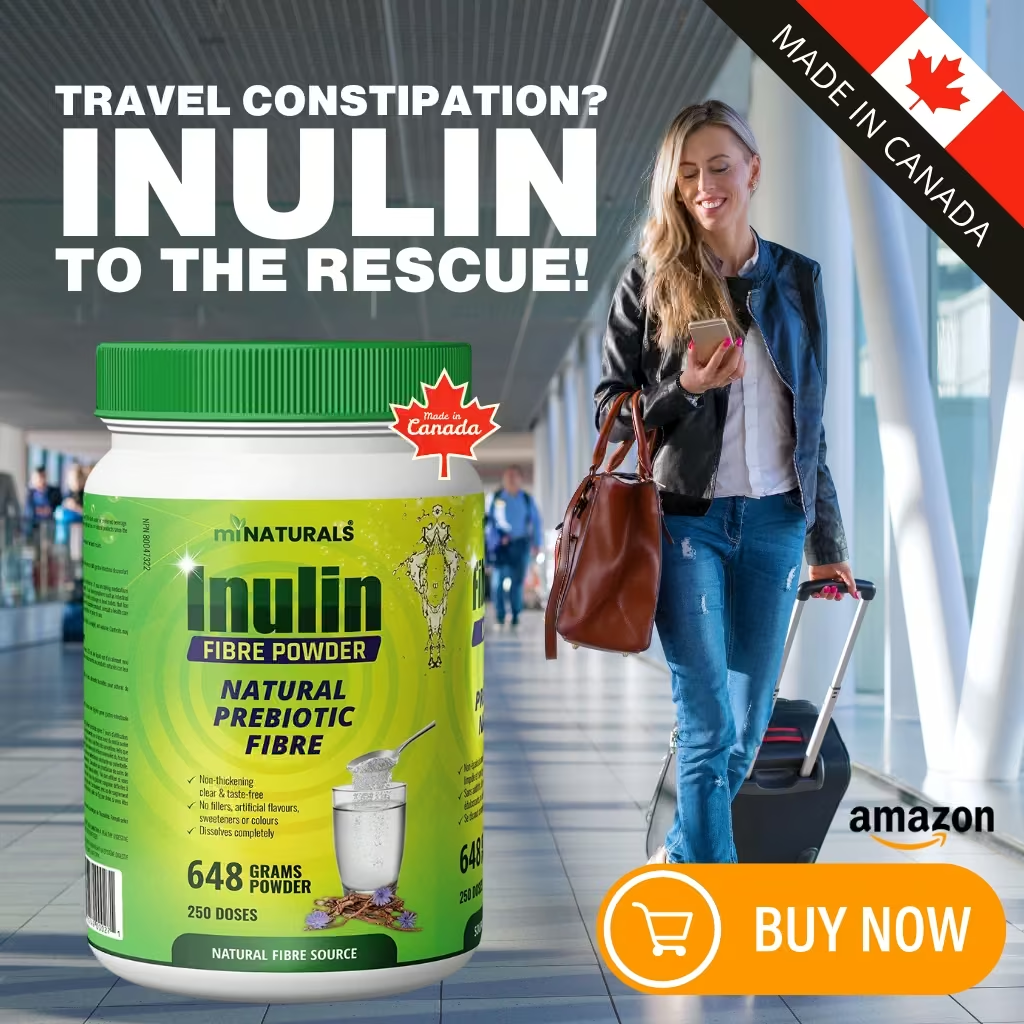
Why Constipation and Travel Often Go Hand-in-Hand
Several factors contribute to constipation while traveling, making it almost predictable for many frequent travelers:
- Disrupted routines: Your body thrives on consistency, and travel disrupts your normal bathroom schedule. The body’s internal clock, or circadian rhythm, regulates many bodily functions including digestion. When you cross time zones or simply change your daily schedule, your digestive system can become confused and sluggish. Research shows that many people have a specific time of day when they typically have bowel movements, and travel can throw this timing off completely (Tuteja et al., 2008).
- Dehydration: Airplane cabins have notoriously low humidity levels (often below 20%), which can quickly lead to dehydration. Similarly, travelers often drink less water to avoid frequent bathroom trips or may consume more alcohol and caffeine, both of which can contribute to dehydration. Different climates in your destination can also affect your hydration levels. Without adequate water, stool becomes hard and difficult to pass, leading to constipation on trips (Cleveland Clinic, 2023).
- Diet changes: While trying local cuisines is part of the travel experience, unfamiliar foods often contain less fiber than your regular diet. Restaurant meals typically feature more processed foods, meats, and refined carbohydrates with fewer fruits, vegetables, and whole grains. This sudden reduction in fiber can slow down your digestive system significantly. Additionally, many travelers indulge in more dairy, fried foods, and sweets while away, all of which can contribute to constipation (Tuteja et al., 2008).
- Stress and anxiety: Travel anxiety, whether from flying fears, tight schedules, or unfamiliar surroundings, triggers the body’s fight-or-flight response. This stress response diverts blood flow away from the digestive system and toward muscles, slowing digestive processes. The body essentially puts digestion on the back burner when it perceives stress, leading to travel-related constipation (Cleveland Clinic, 2023).
- Limited bathroom access: Many travelers develop “shy bowel syndrome” when away from home, feeling uncomfortable or reluctant to use unfamiliar bathrooms in hotels, airplanes, or public facilities. This psychological barrier can lead to repeatedly ignoring the urge to go, which eventually weakens the signal and leads to constipation during travel (Cleveland Clinic, 2023).
- Lack of physical activity: Travel often involves long periods of sitting in cars, trains, or airplanes. Even active vacations may include more sedentary time than your normal routine. This reduction in physical activity slows peristalsis, the wave-like muscle contractions that move food through your digestive tract (Cleveland Clinic, 2023).
A study published in Digestive Diseases and Sciences found that new onset of constipation is common among subjects traveling abroad, with symptoms often persisting after returning home (Tuteja et al., 2008). This highlights the significant impact travel can have on our digestive systems.
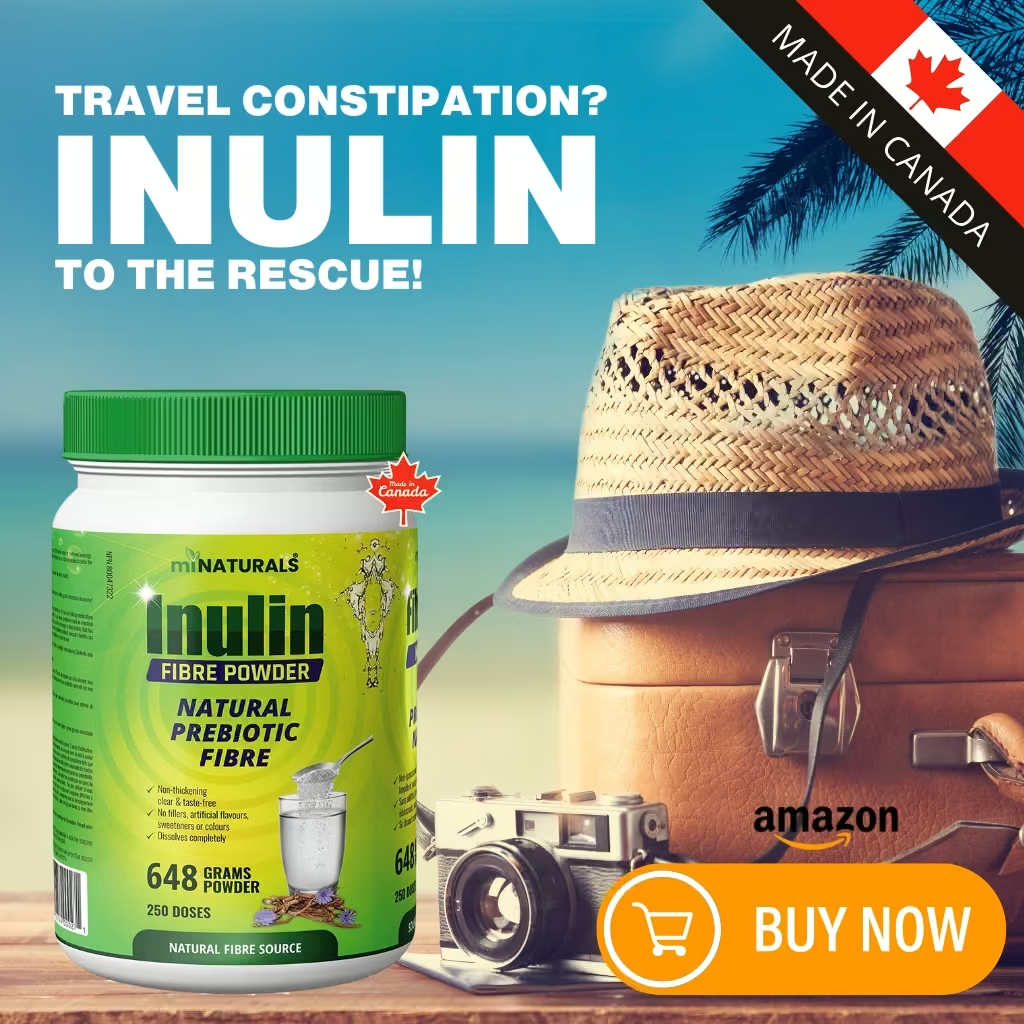
The Inulin Solution for Travel-Related Constipation
Inulin, a soluble fiber found naturally in many plants like chicory root, Jerusalem artichokes, and bananas, can be particularly effective against constipation on trips. This prebiotic fiber works in multiple ways to restore digestive harmony when you’re away from home.
Benefits of Inulin for Constipated During Travel:
- Promotes regular bowel movements: Scientific research has shown that inulin supplementation significantly increases stool frequency in individuals with constipation (Collado Yurrita et al., 2014). A meta-analysis of randomized controlled trials found a significant overall effect of inulin on stool frequency, consistency, and transit time.
- Improves stool consistency: The same meta-analysis demonstrated that inulin intake had a positive effect on stool consistency as measured by the Bristol scale, making stools easier to pass (Collado Yurrita et al., 2014).
- Feeds beneficial gut bacteria: As a prebiotic, inulin selectively stimulates the growth and activity of beneficial bacteria in the colon, particularly Bifidobacteria and Lactobacilli. These bacteria help maintain a healthy gut environment and proper digestive function (Liu et al., 2021).
- Reduces transit time: Research shows that inulin supplementation significantly reduces intestinal transit time, helping move waste through your system more efficiently (Collado Yurrita et al., 2014).
- Easy to incorporate into travel meals: Unlike bulky fiber supplements, inulin powder is lightweight, portable, and can be easily mixed into beverages or foods while traveling.
- Available in portable supplement form: Inulin supplements are widely available in powder form, making them convenient for travel.
A systematic review protocol published in BMJ Open noted that inulin can be used as the basic material of functional food, and clinical studies have shown that inulin supplementation is associated with increased frequency of bowel movements (Liu et al., 2021).
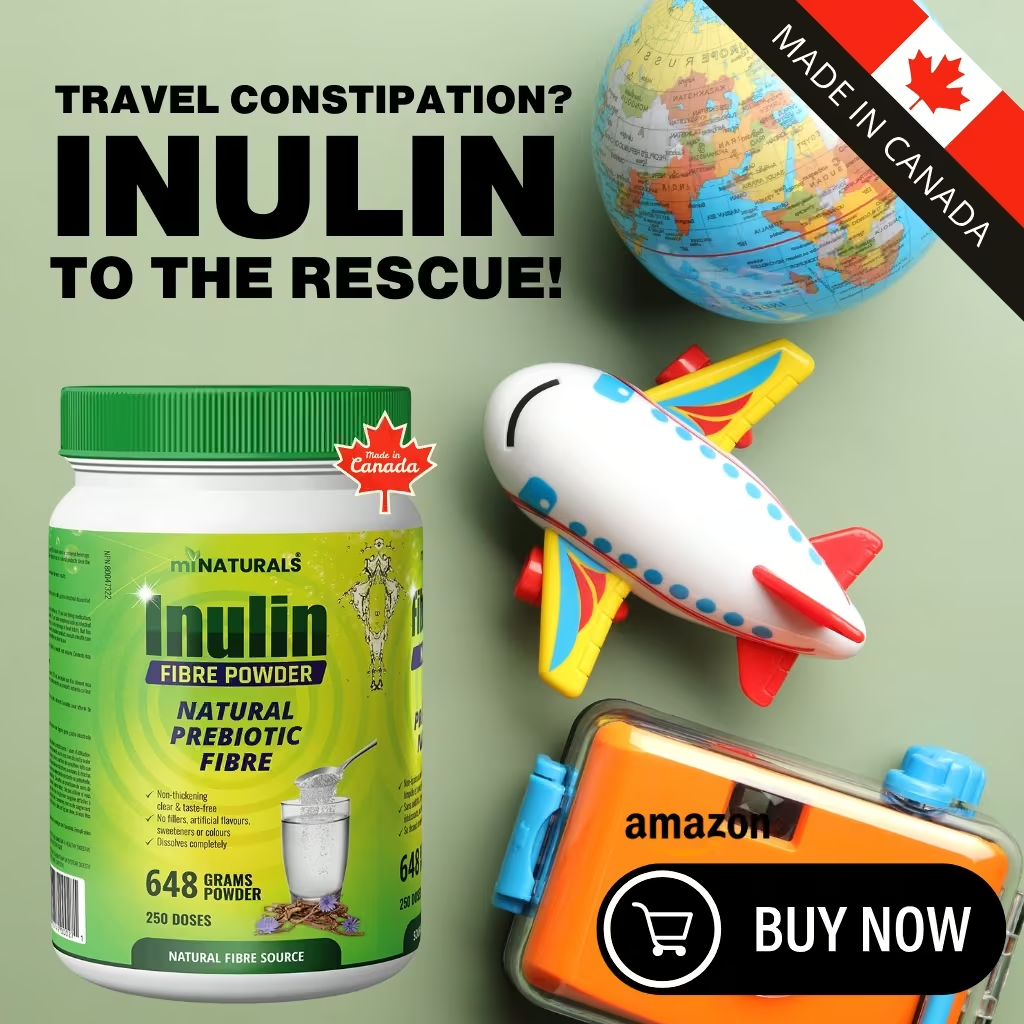
On-the-Go Inulin Recipes to Combat Travel Constipation
Morning Fiber Boost Smoothie
- 1 ripe banana
- 1 tablespoon inulin powder
- 1 cup plant-based milk (almond, coconut, or oat)
- 1 tablespoon nut butter (almond or peanut)
- Ice cubes
- Optional: 1 teaspoon honey or maple syrup
Blend all ingredients in a portable blender cup until smooth. This quick breakfast provides both soluble and insoluble fiber to get things moving. Perfect for hotel rooms with minimal kitchen equipment!
No-Bake Energy Bites
- 1 cup rolled oats
- 2 tablespoons inulin powder
- ½ cup natural peanut butter or almond butter
- ⅓ cup honey or maple syrup
- ¼ cup mini dark chocolate chips
- 1 teaspoon vanilla extract
- Optional: 2 tablespoons ground flaxseed for extra fiber
Mix all ingredients in a bowl until well combined. Roll into 1-inch balls and refrigerate for at least 30 minutes to set. Store in a container for on-the-go relief from constipation and travel discomfort. These energy bites keep well for several days, making them perfect for trips.
Overnight Chia Pudding
- 2 tablespoons chia seeds
- 1 tablespoon inulin powder
- ½ cup yogurt (regular or plant-based)
- ½ cup milk of choice
- 1 teaspoon honey or maple syrup
- Berries and nuts for topping
Mix chia seeds, inulin, yogurt, milk, and sweetener in a travel container. Refrigerate overnight or for at least 4 hours. Top with fresh berries and nuts before eating for a fiber-rich breakfast that helps combat travel constipation.
Inulin-Infused Travel Tea
- 1 tea bag of your choice (green tea, chamomile, or peppermint work well)
- 1 teaspoon inulin powder
- Hot water
- Optional: lemon slice and honey
Brew tea as usual, then stir in inulin powder until dissolved. Sip warm to stimulate bowel movement. This simple remedy can be prepared anywhere you have access to hot water, making it ideal for hotel rooms or airport lounges.

Fiber-Packed Trail Mix
- ¼ cup almonds
- ¼ cup walnuts
- 2 tablespoons dried apricots, chopped
- 2 tablespoons dried figs, chopped
- 2 tablespoons dark chocolate chips
- 1 tablespoon inulin powder (mixed with the dried fruit)
Mix all ingredients in a ziplock bag or small container. The inulin powder will stick to the dried fruit pieces. This portable snack provides a good mix of fiber types to keep your digestive system moving while traveling.
Prevention Tips for Constipation While Traveling
- Stay hydrated: Drink plenty of water, especially during flights. Aim for at least 8 ounces of water every hour while flying to combat the dehydrating effects of airplane cabins (Cleveland Clinic, 2023).
- Move regularly: Take walking breaks during long journeys. Even a short 5-minute walk every hour can help stimulate intestinal movement. If you’re on a plane, get up and walk the aisle when the seatbelt sign is off (Cleveland Clinic, 2023).
- Pack inulin supplements: Easy to add to water, coffee, or food, inulin supplements can help maintain regularity while traveling. Research shows that inulin supplementation can significantly improve bowel function in patients with chronic constipation (Collado Yurrita et al., 2014).
- Maintain meal times: Try to eat at regular intervals, even if you’re crossing time zones. Your digestive system appreciates consistency (Cleveland Clinic, 2023).
- Choose fiber-rich foods: Seek out fruits, vegetables, and whole grains at your destination. Many traditional cuisines around the world offer fiber-rich options that can help prevent constipation (Cleveland Clinic, 2023).
- Limit constipating foods: Reduce your intake of cheese, processed foods, and refined carbohydrates while traveling, as these can worsen constipation (Cleveland Clinic, 2023).
- Practice relaxation techniques: Stress can contribute to constipation, so incorporate stress-reduction practices like deep breathing or meditation into your travel routine (Cleveland Clinic, 2023).
When to Seek Help
While travel constipation is common, persistent symptoms might require medical attention. If constipation lasts more than a week or is accompanied by severe pain, bleeding, or other concerning symptoms, consult a healthcare provider. According to research, new onset of gastrointestinal symptoms that develop during travel abroad usually persist on return, so don’t ignore ongoing issues (Tuteja et al., 2008).
Conclusion
Don’t let constipation on trips ruin your travel experience. By understanding the causes of travel-related constipation and incorporating inulin into your travel diet, you can maintain regularity wherever your adventures take you. Pack some inulin powder or supplements in your travel kit, try the simple recipes above, and enjoy your journey without digestive distress.
Scientific evidence supports the effectiveness of inulin for improving bowel function, with studies showing significant positive effects on stool frequency, consistency, and transit time (Collado Yurrita et al., 2014). By making inulin part of your travel routine, you can help ensure that while you’re exploring new destinations, your digestive system keeps working as it should.
Remember, a happy gut means happy travels!
References
- Collado Yurrita, L., San Mauro Martín, I., Ciudad-Cabañas, M. J., Calle-Purón, M. E., & Hernández Cabria, M. (2014). Effectiveness of inulin intake on indicators of chronic constipation; a meta-analysis of controlled randomized clinical trials. Nutrición Hospitalaria, 30(2), 244-252. https://pubmed.ncbi.nlm.nih.gov/25208775/
- Cleveland Clinic. (2023). On the Road Again With Constipation. https://health.clevelandclinic.org/travel-constipation
- Liu, X., Yang, Q., He, Z., & Yao, S. (2021). Efficacy and safety of inulin supplementation for functional constipation: a systematic review protocol. BMJ Open, 11(4), e042597. https://pmc.ncbi.nlm.nih.gov/articles/PMC8039257/
- Tuteja, A. K., Talley, N. J., Gelman, S. S., Alder, S. C., Thompson, C., Tolman, K., & Hale, D. C. (2008). Development of functional diarrhea, constipation, irritable bowel syndrome, and dyspepsia during and after traveling outside the USA. Digestive Diseases and Sciences, 53(1), 271-276. https://pubmed.ncbi.nlm.nih.gov/17549631/
- Bărboi, O. B., & Ciortescu, I. (2020). Effect of inulin in the treatment of irritable bowel syndrome with constipation. Experimental and Therapeutic Medicine, 20(6), 185. https://pmc.ncbi.nlm.nih.gov/articles/PMC7579772/


