


Are you tired of feeling bloated, sluggish, or uncomfortable in your daily life? If so, you’re not alone. Millions struggle with digestive issues, seeking relief while wanting to avoid harsh solutions that can lead to additional discomfort. Welcome to our ultimate guide on gentle laxatives, where we explore natural and effective options that promote a healthier digestive system without the side effects you might expect from conventional remedies.
In this comprehensive resource, we’ll unravel the types of gentle laxatives available, their benefits, how they work, and tips for incorporating them into your routine seamlessly. Get ready to unlock a new level of comfort and well-being as we empower you with the knowledge to make informed choices for your digestive health. Say goodbye to discomfort and hello to a more balanced life!

Understanding Digestive Health
Digestive health is a cornerstone of overall well-being. It involves the process by which our bodies break down food, absorb nutrients, and eliminate waste. When our digestive system is functioning optimally, we feel energized, clear-headed, and balanced. However, when it is not working properly, it can lead to a variety of uncomfortable symptoms such as bloating, constipation, diarrhea, and abdominal pain. These symptoms can interfere with our daily lives, making it challenging to focus on work, enjoy social activities, or even get a good night’s sleep.
The complexity of the digestive system lies in its ability to interact with multiple organs and processes, including the stomach, intestines, liver, pancreas, and more. Each component plays a crucial role in breaking down food into its essential nutrients and eliminating waste efficiently. When any part of this system is disrupted, it can lead to digestive disorders that may require intervention. Understanding the intricacies of our digestive health can empower us to make better choices for maintaining its balance and function.
Moreover, the digestive system is closely linked to other aspects of health, including the immune system and mental well-being. A healthy gut can boost our immune response and contribute to a more positive mood, while digestive issues can lead to inflammation and stress. Therefore, addressing digestive health is not only about alleviating discomfort but also about supporting our overall health and quality of life.
What are Gentle Laxatives?
Gentle laxatives are mild, non-aggressive substances designed to relieve constipation and promote regular bowel movements without causing harsh side effects. Unlike their more potent counterparts, gentle laxatives work gradually to stimulate the digestive system, making them suitable for regular use. They are particularly beneficial for individuals who experience occasional constipation or those who are sensitive to stronger medications.
These types of laxatives can be derived from natural sources such as fiber, herbs, and certain foods, or they can be formulated as over-the-counter medications. Their primary function is to increase the water content and bulk of the stool, making it easier to pass. This action helps to reduce strain during bowel movements and alleviates the discomfort associated with constipation.
The appeal of gentle laxatives lies in their ability to provide relief while minimizing the risk of dependency and negative side effects. They offer a safer alternative for managing digestive health, especially for those who prefer a more natural approach. By understanding the different types of gentle laxatives available, individuals can make informed choices that align with their health needs and lifestyle preferences.
The Importance of Gentle Laxatives for Digestive Comfort
Gentle laxatives play a crucial role in maintaining digestive comfort and overall well-being. One of the primary benefits of these laxatives is their ability to relieve constipation without causing significant disruption to the digestive system. Chronic constipation can lead to a host of issues, including abdominal pain, bloating, and even more serious conditions such as hemorrhoids and anal fissures. By using gentle laxatives, individuals can alleviate these symptoms and improve their quality of life.
Another important aspect of gentle laxatives is their potential to prevent the cycle of dependency that can occur with stronger laxative medications. Overuse of harsh laxatives can lead to a condition known as laxative dependency, where the bowels become reliant on the medication to function. This can result in a diminished natural ability to have regular bowel movements, creating a vicious cycle of dependency. Gentle laxatives, on the other hand, work in harmony with the body’s natural processes, reducing the risk of dependency and promoting long-term digestive health.
Furthermore, gentle laxatives can be an essential part of a holistic approach to digestive health. When used in conjunction with dietary changes, increased physical activity, and other lifestyle modifications, they can help to create a balanced and effective strategy for managing digestive issues. This comprehensive approach not only addresses the immediate symptoms but also supports overall digestive function and well-being.
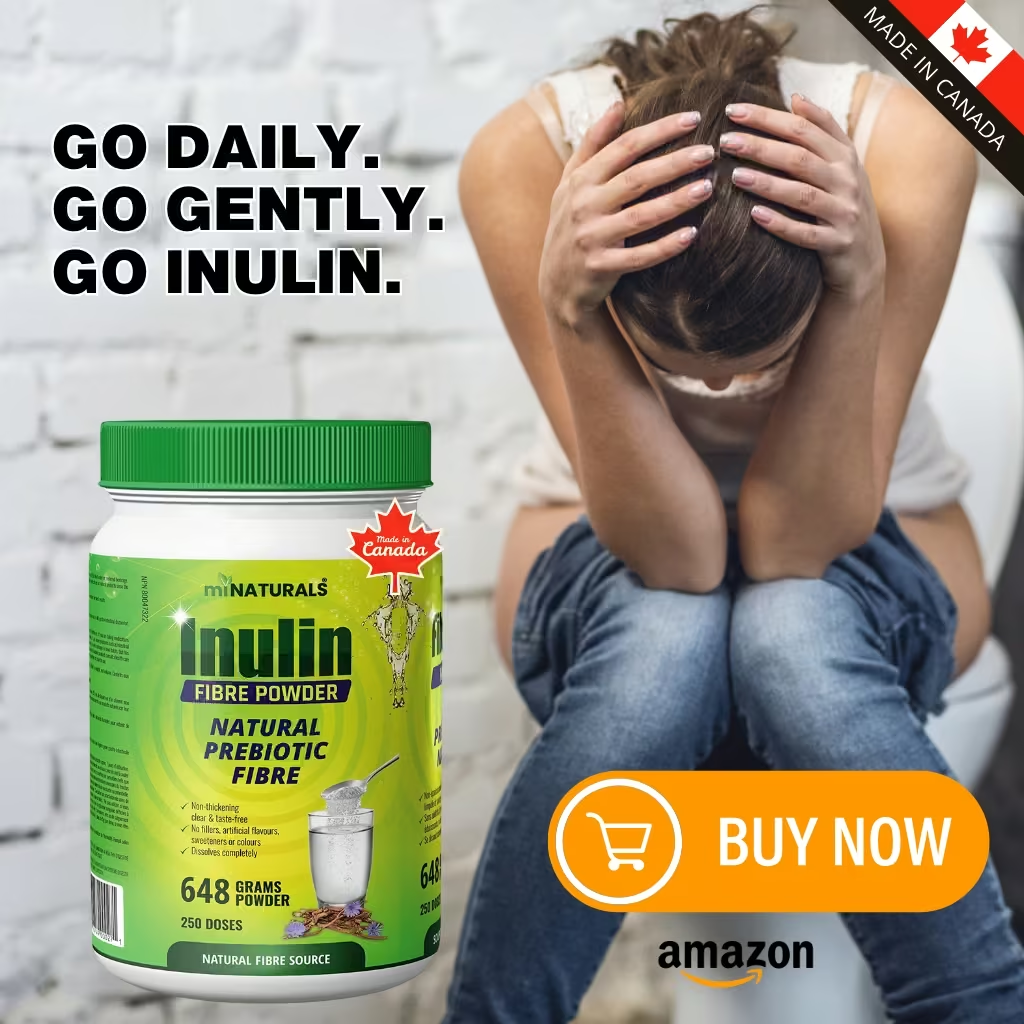
Common Types of Gentle Laxatives — and Why Inulin Stands Out
When it comes to easing constipation without harsh side effects or dependency, gentle laxatives are often the first line of defense. Among these, bulk-forming laxatives are the most commonly recommended. They work by adding fiber to your stool, helping it absorb water, swell, and trigger the natural contractions of your intestines (a process called peristalsis). This promotes smooth, regular bowel movements.
Popular examples of bulk-forming agents include psyllium husk, methylcellulose, and polycarbophil—but one lesser-known star is inulin, a plant-derived, prebiotic fiber found in chicory root and other vegetables.
Why Inulin is a Gentle Powerhouse for Constipation
What makes inulin such a special kind of fiber? Unlike some fibers that are too aggressive or too binding, inulin is soluble, meaning it dissolves in water and forms a gel-like substance in your gut. This gentle gel:
- Adds moisture and bulk to the stool, making it easier to pass.
- Feeds beneficial gut bacteria, like Bifidobacteria, which play a key role in regulating digestion.
- Improves overall gut motility by naturally enhancing the health of the digestive tract.
- Does not cause cramping or urgency, which are common with stimulant laxatives like senna.
Unlike stimulant or osmotic laxatives that act quickly but can lead to dependency or dehydration, inulin works gradually and cumulatively. With consistent daily use, it helps retrain your gut toward regularity—without disrupting your body’s natural rhythm.
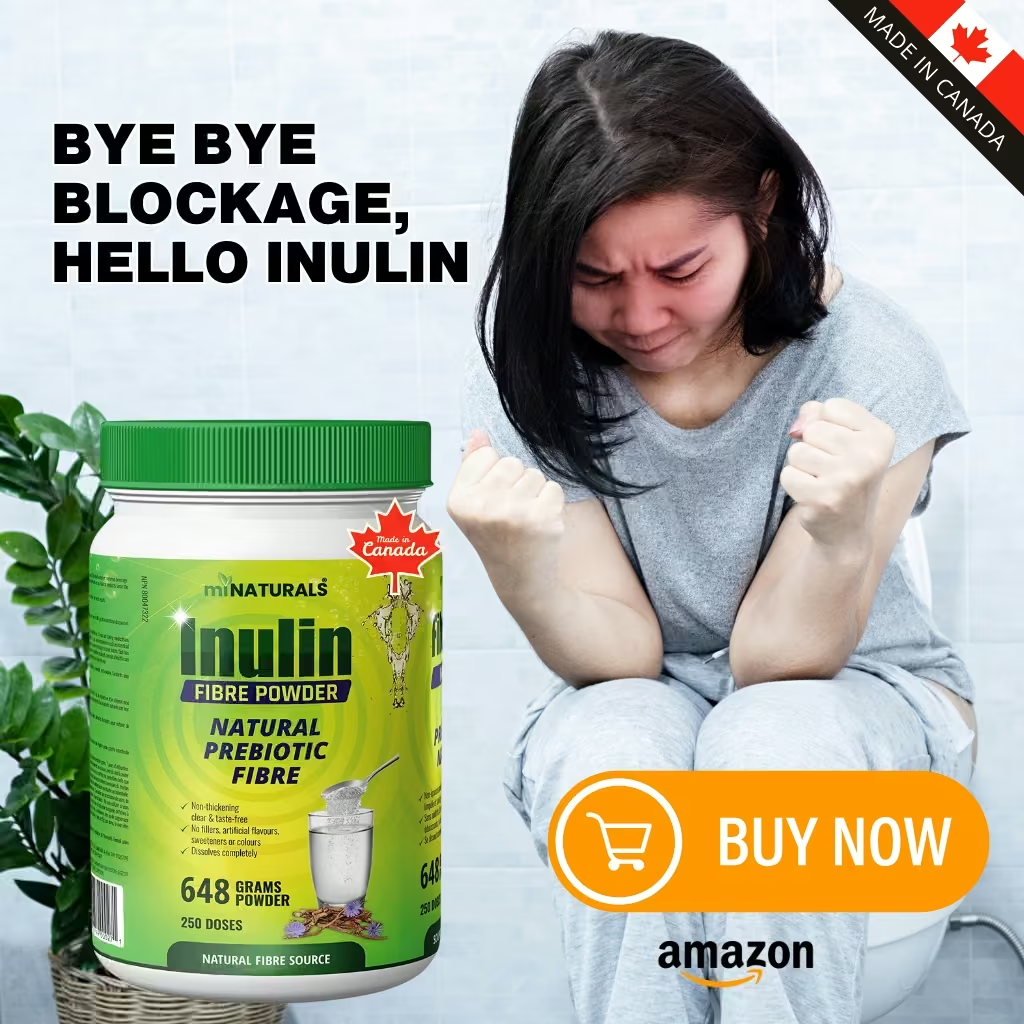
Osmotic & Stool Softening Laxatives: When You Need a Little More
For occasional or stubborn constipation, osmotic laxatives like polyethylene glycol (PEG) and lactulose draw water into the colon, softening the stool and making it easier to pass. These are effective, but typically used for short-term relief.
Stool softeners, such as docusate sodium, work by reducing surface tension in the stool, allowing water and fats to penetrate and soften it. These are especially helpful post-surgery or after childbirth when straining is to be avoided.
Bottom Line:
If you’re looking for a long-term, natural, and gut-friendly way to relieve constipation, inulin is one of the best-kept secrets. It’s gentle enough for daily use, helps restore gut balance, and works with your body—not against it.
How to Choose the Right Gentle Laxative for You
Selecting the right gentle laxative involves considering several factors, including the severity of constipation, individual health conditions, and personal preferences. The first step is to assess the frequency and severity of constipation. For mild, occasional constipation, bulk-forming laxatives or stool softeners may be sufficient. These options are generally safe for long-term use and can be easily incorporated into a daily routine.
If constipation is more persistent or severe, osmotic laxatives might be a better choice. These laxatives are effective in drawing water into the intestines and can provide more immediate relief. However, it is important to use them as directed and to stay hydrated, as they can cause dehydration if not taken with adequate fluids. Consulting with a healthcare professional can help determine the most appropriate type and dosage based on individual needs.
It is also essential to consider any underlying health conditions that may affect the choice of laxative. For example, individuals with kidney disease should avoid certain osmotic laxatives that contain magnesium or phosphate, as these can affect kidney function. Additionally, people with specific dietary restrictions or sensitivities may prefer natural fiber supplements or herbal laxatives. By taking these factors into account, individuals can make informed decisions that support their digestive health without compromising their overall well-being.
Potential Side Effects and Considerations
While gentle laxatives are generally safe and well-tolerated, it is important to be aware of potential side effects and considerations. Bulk-forming laxatives, for example, can cause gas and bloating, especially when first introduced into the diet. To minimize these effects, it is recommended to start with a lower dose and gradually increase it, allowing the body to adjust to the increased fiber intake.
Osmotic laxatives, on the other hand, can lead to dehydration and electrolyte imbalances if not taken with adequate fluids. It is crucial to drink plenty of water when using these laxatives to maintain proper hydration and prevent potential complications. Additionally, overuse of any laxative can result in dependency, where the bowels become reliant on the medication to function. This underscores the importance of using laxatives as directed and not exceeding the recommended dosage.
Certain health conditions and medications can also interact with laxatives, making it essential to consult with a healthcare professional before starting any new laxative regimen. For example, individuals with heart conditions or those taking diuretics may need to avoid certain types of laxatives that can affect fluid and electrolyte balance. By being informed about potential side effects and considerations, individuals can use gentle laxatives safely and effectively to support their digestive health.
Natural Alternatives to Gentle Laxatives
In addition to over-the-counter laxatives, there are several natural alternatives that can help promote regular bowel movements and support digestive health. One of the most effective natural options is dietary fiber. Foods high in fiber, such as fruits, vegetables, whole grains, and legumes, can help increase stool bulk and stimulate bowel movements. Incorporating a variety of fiber-rich foods into the diet can provide a natural and gentle way to prevent constipation.
Another natural alternative is staying hydrated. Drinking plenty of water throughout the day helps to keep the stool soft and easy to pass. Herbal teas, such as peppermint or ginger tea, can also have mild laxative effects and can be soothing to the digestive system. Additionally, certain herbs, such as senna and cascara sagrada, have natural laxative properties and can be used in moderation to relieve occasional constipation.
Regular physical activity is another important factor in maintaining digestive health. Exercise helps to stimulate the muscles in the intestines, promoting regular bowel movements. Activities such as walking, jogging, yoga, and even gentle stretching can all contribute to a healthy digestive system. By incorporating these natural alternatives into their routine, individuals can support their digestive health in a holistic and balanced way.

Dietary Tips for Supporting Digestive Health
Maintaining a healthy diet is essential for supporting digestive health and preventing constipation. One of the key components of a digestive-friendly diet is fiber. Aim to include a variety of fiber-rich foods, such as fruits, vegetables, whole grains, and legumes, in your daily meals. Fiber helps to increase stool bulk and promotes regular bowel movements. However, it is important to increase fiber intake gradually and drink plenty of water to prevent gas and bloating.
In addition to fiber, staying hydrated is crucial for digestive health. Water helps to keep the stool soft and easy to pass, reducing the risk of constipation. Aim to drink at least eight glasses of water a day, and consider increasing this amount if you are physically active or live in a hot climate. Herbal teas and clear broths can also contribute to your daily fluid intake.
Probiotics are another important component of a healthy diet. These beneficial bacteria help to maintain a balanced gut microbiome, which is essential for optimal digestive function. Foods rich in probiotics include yogurt, kefir, sauerkraut, kimchi, and other fermented foods. By incorporating these dietary tips into your routine, you can support your digestive health and promote regular bowel movements naturally.
When to Consult a Healthcare Professional
While gentle laxatives and natural alternatives can be effective in managing occasional constipation, there are times when it is important to consult a healthcare professional. If you experience persistent or severe constipation that does not improve with over-the-counter remedies, it may be a sign of an underlying health condition that requires medical attention. Conditions such as irritable bowel syndrome (IBS), inflammatory bowel disease (IBD), and colorectal cancer can all cause chronic constipation and require specialized treatment.
Additionally, if you experience any alarming symptoms such as blood in the stool, unexplained weight loss, severe abdominal pain, or changes in bowel habits, it is important to seek medical advice promptly. These symptoms can indicate more serious conditions that need to be evaluated and treated by a healthcare professional. Early diagnosis and intervention can help to address the underlying cause and prevent complications.
If you have any existing health conditions or are taking medications that could interact with laxatives, it is also important to consult with a healthcare professional before starting any new laxative regimen. They can provide personalized recommendations based on your individual health needs and ensure that you are using laxatives safely and effectively. By seeking medical advice when necessary, you can support your digestive health and overall well-being.
Conclusion: Embracing Gentle Solutions for Digestive Wellness
In conclusion, gentle laxatives offer a safe and effective way to manage occasional constipation and support digestive health. By understanding the different types of gentle laxatives available, their benefits, and potential side effects, individuals can make informed choices that align with their health needs and lifestyle preferences. Incorporating natural alternatives, such as dietary fiber, hydration, and regular physical activity, can further enhance digestive wellness and prevent constipation.
It is important to remember that maintaining a healthy digestive system is a holistic and ongoing process. By adopting a balanced diet, staying hydrated, and incorporating gentle laxatives when needed, individuals can promote regular bowel movements and reduce the discomfort associated with constipation. Additionally, seeking medical advice when necessary can help to address any underlying health conditions and ensure that you are using laxatives safely and effectively.
Ultimately, embracing gentle solutions for digestive wellness can lead to a more comfortable and balanced life. By taking proactive steps to support your digestive health, you can improve your overall well-being and enjoy a higher quality of life. Say goodbye to discomfort and hello to a healthier, happier you!
