


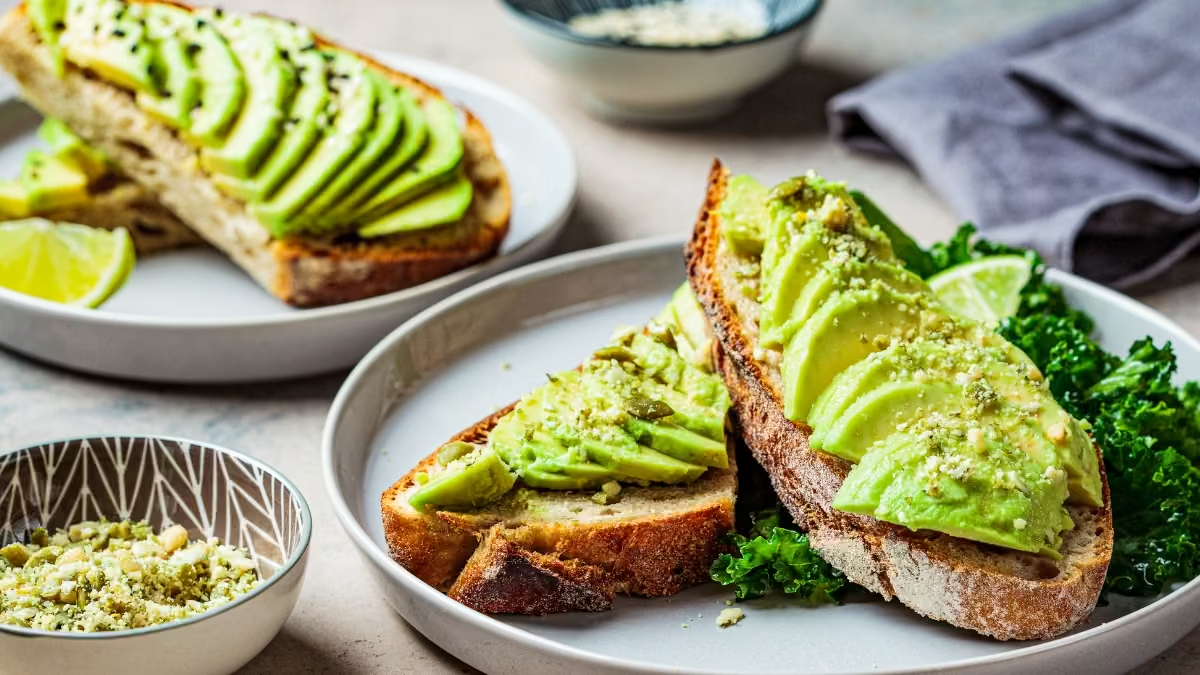
Constipation affects up to 20% of Americans, causing discomfort and disrupting daily life (1). While increasing overall fiber intake is important, strategic snacking can be particularly effective for maintaining digestive regularity. Research shows that spreading fiber consumption throughout the day, rather than consuming it all at once, may improve its effectiveness for constipation relief (2).
These seven fiber-packed snacks not only taste great but are specifically formulated to get things moving again. Each recipe incorporates miNATURALS Inulin Fiber, a prebiotic fiber that has been clinically shown to improve bowel function in adults with constipation (3).
Understanding Fiber’s Role in Digestive Health
Before diving into recipes, it’s worth understanding how fiber works. Dietary fiber comes in two forms: soluble fiber, which dissolves in water to form a gel-like substance that softens stool, and insoluble fiber, which adds bulk and helps move waste through the digestive system (4).
Inulin is a type of soluble fiber that acts as a prebiotic, feeding beneficial gut bacteria. Research published in the International Journal of Food Sciences and Nutrition found that inulin supplementation significantly improved bowel function in adults with constipation (3). The miNATURALS Inulin Fiber used in these recipes provides this benefit in a convenient, easy-to-use form.
1. Chia Pudding Power Cups
Chia seeds are fiber champions, containing about 10 grams per ounce. When combined with liquid, they form a gel-like substance that helps soften stool and ease passage.
Ingredients (makes 4 servings):
- 6 tablespoons chia seeds
- 2 cups almond milk (or milk of choice)
- 2 tablespoons miNATURALS Inulin Fiber
- 2 tablespoons maple syrup or honey
- 1 teaspoon vanilla extract
- Toppings: fresh berries, sliced almonds, cacao nibs
Preparation:
- In a bowl, whisk together almond milk, miNATURALS Inulin Fiber, maple syrup, and vanilla.
- Add chia seeds and whisk thoroughly to prevent clumping.
- Let sit for 5 minutes, then whisk again to break up any clumps.
- Divide mixture into four small jars or containers.
- Refrigerate for at least 2 hours or overnight.
- Before serving, top with fresh berries, sliced almonds, and cacao nibs.
Fiber Content: Approximately 10-12 grams per serving
Why It Works: This snack combines the gel-forming properties of chia seeds with the prebiotic benefits of inulin fiber. Research in the Journal of Food Science and Technology found that chia seeds can absorb up to 12 times their weight in water, forming a gel-like substance that helps promote regular bowel movements (5). The addition of miNATURALS Inulin Fiber enhances this effect while feeding beneficial gut bacteria that support digestive health.

2. Prune and Almond Energy Balls
Prunes (dried plums) have a well-deserved reputation for relieving constipation. Research shows they may be even more effective than psyllium fiber supplements (6).
Ingredients (makes about 12 balls):
- 1 cup pitted prunes
- ½ cup almonds
- 2 tablespoons miNATURALS Inulin Fiber
- 2 tablespoons ground flaxseed
- 1 tablespoon almond butter
- 1 tablespoon water (if needed for consistency)
- ¼ teaspoon cinnamon
- Pinch of salt
Preparation:
- Place almonds in a food processor and pulse until coarsely chopped.
- Add prunes, miNATURALS Inulin Fiber, flaxseed, almond butter, cinnamon, and salt.
- Process until the mixture forms a sticky dough, adding water if needed.
- Roll into 1-inch balls.
- Store in an airtight container in the refrigerator for up to a week.
Fiber Content: Approximately 3-4 grams per ball
Why It Works: Prunes work through multiple mechanisms. They contain both soluble and insoluble fiber, plus sorbitol and phenolic compounds that stimulate the digestive system. A study in Alimentary Pharmacology & Therapeutics found that prunes were more effective than psyllium for improving stool frequency and consistency (6).
The addition of miNATURALS Inulin Fiber and flaxseed creates a fiber trifecta, providing different types of fiber that work through complementary mechanisms. Research shows that combining different types of fiber can be more effective than using a single source (7).
3. Avocado Toast with Fiber Boost
This isn’t your basic avocado toast. This version is specifically formulated to maximize fiber content and digestive benefits.
Ingredients (makes 1 serving):
- 1 slice whole grain bread (look for varieties with at least 3g fiber per slice)
- ½ ripe avocado
- 1 teaspoon miNATURALS Inulin Fiber
- 1 tablespoon hemp seeds
- ½ teaspoon lemon juice
- Pinch of red pepper flakes
- Salt and pepper to taste
Preparation:
- Toast the whole grain bread.
- In a small bowl, mash the avocado with lemon juice, miNATURALS Inulin Fiber, salt, and pepper.
- Spread the avocado mixture on the toast.
- Sprinkle with hemp seeds and red pepper flakes.
Fiber Content: Approximately 8-10 grams per serving
Why It Works: This snack combines multiple fiber sources with healthy fats from avocado that help lubricate the digestive tract. Whole grain bread provides insoluble fiber for bulk, while avocado contributes both soluble and insoluble fiber.
The addition of miNATURALS Inulin Fiber enhances the prebiotic benefits, feeding beneficial gut bacteria. Research in the American Journal of Clinical Nutrition found that a healthy gut microbiome is essential for proper digestive function and regular bowel movements (8).
Hemp seeds add extra fiber plus omega-3 fatty acids that may help reduce inflammation in the digestive tract. Studies show that reducing inflammation can improve gut motility and relieve constipation (9).
4. Berry-Fiber Yogurt Parfait
This parfait combines the probiotics in yogurt with multiple fiber sources for a synergistic effect on digestive health.
Ingredients (makes 1 serving):
- 1 cup Greek yogurt (plain or vanilla)
- 1 tablespoon miNATURALS Inulin Fiber
- ½ cup mixed berries (raspberries, blackberries, strawberries)
- 2 tablespoons granola (look for varieties with at least 3g fiber per serving)
- 1 teaspoon honey or maple syrup (optional)
- 1 tablespoon chopped walnuts
Preparation:
- In a bowl, mix Greek yogurt with miNATURALS Inulin Fiber and honey or maple syrup if using.
- In a glass or jar, layer half the yogurt mixture, then half the berries and granola.
- Repeat layers with remaining ingredients.
- Top with chopped walnuts.
Fiber Content: Approximately 7-9 grams per serving
Why It Works: This parfait creates a perfect environment for digestive health by combining probiotics from yogurt with prebiotics from inulin fiber. Research shows that this probiotic-prebiotic combination (known as synbiotics) may be particularly effective for constipation relief (10).
Berries provide both soluble and insoluble fiber, plus polyphenols that support gut health. A study in the Journal of Agricultural and Food Chemistry found that berry polyphenols may help reduce inflammation in the digestive tract and support beneficial gut bacteria (11).
The addition of granola and walnuts provides additional fiber and healthy fats that help lubricate the digestive tract, making this a comprehensive constipation-fighting snack.

5. Fiber-Boosted Hummus with Veggie Dippers
This isn’t ordinary hummus—it’s been specially formulated to maximize fiber content and digestive benefits.
Ingredients (makes about 2 cups):
- 1 can (15 oz) chickpeas, drained and rinsed
- 2 tablespoons tahini
- 2 tablespoons olive oil
- 2 tablespoons lemon juice
- 1 clove garlic
- 2 tablespoons miNATURALS Inulin Fiber
- ½ teaspoon cumin
- ¼ teaspoon paprika
- Salt to taste
- Water as needed for consistency
- For dipping: carrot sticks, cucumber slices, bell pepper strips, broccoli florets
Preparation:
- In a food processor, combine chickpeas, tahini, olive oil, lemon juice, garlic, miNATURALS Inulin Fiber, cumin, paprika, and salt.
- Process until smooth, adding water as needed to reach desired consistency.
- Transfer to a bowl and drizzle with a little olive oil and a sprinkle of paprika.
- Serve with fresh vegetable dippers.
Fiber Content: Approximately 5-6 grams per ¼ cup serving (plus additional fiber from vegetables)
Why It Works: Chickpeas are fiber powerhouses, containing both soluble and insoluble fiber. Research published in Nutrients found that regular consumption of chickpeas improved bowel function and reduced constipation symptoms (12).
The addition of miNATURALS Inulin Fiber enhances the prebiotic benefits, creating a snack that not only provides immediate fiber but also feeds beneficial gut bacteria for long-term digestive health.
Pairing this fiber-boosted hummus with raw vegetables adds even more fiber, creating a snack that can provide up to 10 grams of fiber per serving. The combination of different fiber types works through multiple mechanisms to relieve constipation.
6. Pear and Ginger Fiber Muffins
These muffins combine multiple constipation-fighting ingredients in a convenient, portable snack.
Ingredients (makes 12 muffins):
- 1½ cups whole wheat flour
- ¼ cup ground flaxseed
- 3 tablespoons miNATURALS Inulin Fiber
- 2 teaspoons baking powder
- 1 teaspoon cinnamon
- ½ teaspoon ground ginger
- ¼ teaspoon salt
- 2 ripe pears, diced small (with skin)
- 2 tablespoons fresh ginger, grated
- 2 eggs
- ½ cup plain yogurt
- ⅓ cup maple syrup or honey
- ¼ cup olive oil or melted coconut oil
- 1 teaspoon vanilla extract
Preparation:
- Preheat oven to 350°F (175°C) and line a muffin tin with paper liners.
- In a large bowl, whisk together flour, flaxseed, miNATURALS Inulin Fiber, baking powder, cinnamon, ground ginger, and salt.
- In another bowl, mix eggs, yogurt, maple syrup, oil, and vanilla.
- Add wet ingredients to dry ingredients and stir until just combined.
- Fold in diced pears and fresh ginger.
- Divide batter among muffin cups.
- Bake for 20-25 minutes or until a toothpick inserted comes out clean.
- Cool in the pan for 5 minutes, then transfer to a wire rack.
Fiber Content: Approximately 4-5 grams per muffin
Why It Works: These muffins combine multiple fiber sources with ingredients known to support digestive health. Pears are one of the highest-fiber fruits, containing both soluble and insoluble fiber, plus natural sorbitol that has a mild laxative effect (13).
Whole wheat flour and flaxseed provide additional fiber, while ginger has been shown to accelerate gastric emptying, potentially helping to stimulate sluggish digestion (14). The addition of miNATURALS Inulin Fiber enhances the prebiotic benefits, creating a comprehensive approach to constipation relief.
Research in Food & Function found that pears significantly improved stool frequency and consistency in constipated subjects (13), making them an ideal ingredient for these digestive-supporting muffins.
7. Chocolate Inulin Fiber Bark
Who says constipation relief can’t be delicious? This chocolate bark combines the pleasure of dark chocolate with the digestive benefits of multiple fiber sources.
Ingredients (makes about 12 pieces):
- 8 oz dark chocolate (70% cocoa or higher)
- 2 tablespoons miNATURALS Inulin Fiber
- 2 tablespoons chia seeds
- 2 tablespoons chopped dried figs
- 2 tablespoons chopped almonds
- 1 tablespoon orange zest
- Pinch of sea salt
Preparation:
- Line a baking sheet with parchment paper.
- Melt chocolate in a double boiler or microwave in 30-second intervals, stirring between each.
- Once melted, stir in miNATURALS Inulin Fiber until completely incorporated.
- Pour chocolate mixture onto the parchment paper and spread to about ¼-inch thickness.
- Sprinkle with chia seeds, dried figs, almonds, orange zest, and sea salt.
- Refrigerate until firm, about 1 hour.
- Break into pieces and store in an airtight container in the refrigerator.
Fiber Content: Approximately 3-4 grams per piece
Why It Works: This indulgent snack packs a surprising fiber punch. Dark chocolate itself contains some fiber (about 3 grams per ounce of 70-85% cocoa), and research suggests it may have prebiotic effects, supporting beneficial gut bacteria (15).
The addition of miNATURALS Inulin Fiber significantly boosts the prebiotic benefits, while chia seeds and dried figs add different types of fiber for comprehensive digestive support. Figs are particularly noteworthy for constipation relief, with research in the Korean Journal of Internal Medicine finding that fig paste was effective in treating functional constipation (16).
The combination of different fiber types, along with the pleasure of consuming chocolate (which can reduce stress, a known constipation trigger), makes this an effective and enjoyable constipation-fighting snack.
Tips for Maximum Effectiveness
- Start gradually: If you’re not accustomed to high-fiber foods, introduce these snacks gradually to avoid bloating or discomfort.
- Stay hydrated: Fiber works best with plenty of water. Aim for at least 8 glasses daily, more when increasing fiber intake.
- Timing matters: Some people find that consuming fiber-rich snacks in the morning helps stimulate bowel movements later in the day.
- Be consistent: Regular fiber intake is key for maintaining digestive regularity. Aim to include at least one high-fiber snack daily.
- Listen to your body: Everyone’s digestive system is different. Pay attention to which snacks work best for your body and adjust accordingly.
- Combine with activity: Physical movement helps stimulate the digestive system. Consider taking a short walk after consuming a high-fiber snack.
- Store properly: Keep miNATURALS Inulin Fiber in a cool, dry place and seal tightly between uses to maintain freshness and effectiveness.
When to See a Doctor
While dietary changes often help relieve constipation, persistent symptoms warrant medical attention. See a healthcare provider if constipation lasts more than two weeks, is accompanied by pain or bleeding, or if you experience unexplained weight loss.
Remember that high-fiber snacks should complement, not replace, a fiber-rich diet. For long-term digestive health, aim to consume a variety of high-fiber foods throughout the day, stay well-hydrated, and maintain regular physical activity.
References
- Higgins PD, Johanson JF. Epidemiology of constipation in North America: a systematic review. Am J Gastroenterol. 2004;99(4):750-759.
- Timm DA, Thomas W, Boileau TW, Williamson-Hughes PS, Slavin JL. Polydextrose and soluble corn fiber increase five-day fecal wet weight in healthy men and women. J Nutr. 2013;143(4):473-478.
- Micka A, Siepelmeyer A, Holz A, Theis S, Schön C. Effect of consumption of chicory inulin on bowel function in healthy subjects with constipation: a randomized, double-blind, placebo-controlled trial. Int J Food Sci Nutr. 2017;68(1):82-89.
- McRorie JW Jr, McKeown NM. Understanding the Physics of Functional Fibers in the Gastrointestinal Tract: An Evidence-Based Approach to Resolving Enduring Misconceptions about Insoluble and Soluble Fiber. J Acad Nutr Diet. 2017;117(2):251-264.
- Ullah R, Nadeem M, Khalique A, et al. Nutritional and therapeutic perspectives of Chia (Salvia hispanica L.): a review. J Food Sci Technol. 2016;53(4):1750-1758.
- Attaluri A, Donahoe R, Valestin J, Brown K, Rao SS. Randomised clinical trial: dried plums (prunes) vs. psyllium for constipation. Aliment Pharmacol Ther. 2011;33(7):822-828.
- McRorie JW Jr. Evidence-Based Approach to Fiber Supplements and Clinically Meaningful Health Benefits, Part 2: What to Look for and How to Recommend an Effective Fiber Therapy. Nutr Today. 2015;50(2):90-97.
- Quigley EMM. Gut microbiome as a clinical tool in gastrointestinal disease management: are we there yet? Nat Rev Gastroenterol Hepatol. 2017;14(5):315-320.
- Marlett JA, McBurney MI, Slavin JL. Position of the American Dietetic Association: health implications of dietary fiber. J Am Diet Assoc. 2002;102(7):993-1000.
- Dimidi E, Christodoulides S, Scott SM, Whelan K. Mechanisms of Action of Probiotics and the Gastrointestinal Microbiota on Gut Motility and Constipation. Adv Nutr. 2017;8(3):484-494.
- Parkar SG, Stevenson DE, Skinner MA. The potential influence of fruit polyphenols on colonic microflora and human gut health. Int J Food Microbiol. 2008;124(3):295-298.
- Wallace TC, Murray R, Zelman KM. The Nutritional Value and Health Benefits of Chickpeas and Hummus. Nutrients. 2016;8(12):766.
- Shinohara K, Ohashi Y, Kawasumi K, Terada A, Fujisawa T. Effect of apple intake on fecal microbiota and metabolites in humans. Anaerobe. 2010;16(5):510-515.
- Wu KL, Rayner CK, Chuah SK, et al. Effects of ginger on gastric emptying and motility in healthy humans. Eur J Gastroenterol Hepatol. 2008;20(5):436-440.
- Tzounis X, Rodriguez-Mateos A, Vulevic J, Gibson GR, Kwik-Uribe C, Spencer JP. Prebiotic evaluation of cocoa-derived flavanols in healthy humans by using a randomized, controlled, double-blind, crossover intervention study. Am J Clin Nutr. 2011;93(1):62-72.
- Oh HG, Lee HY, Seo MY, et al. Effects of Ficus carica paste on constipation induced by a high-protein feed and movement restriction in beagles. Lab Anim Res. 2011;27(4):275-281.
Quick Reference: Fiber Content in Snack Ingredients
| Ingredient | Serving Size | Fiber (g) | Special Benefits |
|---|---|---|---|
| miNATURALS Inulin Fiber | 1 tablespoon | 5 | Prebiotic that feeds beneficial bacteria |
| Chia seeds | 1 tablespoon | 5 | Forms gel in digestive tract |
| Prunes | 5-6 dried | 3-4 | Contains sorbitol and phenolic compounds |
| Whole wheat flour | ¼ cup | 3-4 | Provides insoluble fiber for bulk |
| Flaxseed (ground) | 1 tablespoon | 3 | Contains omega-3 fatty acids |
| Avocado | ½ medium | 5 | Provides lubricating healthy fats |
| Chickpeas | ½ cup | 6-7 | Contains both soluble and insoluble fiber |
| Pears | 1 medium | 6 | Contains natural sorbitol |
| Dark chocolate (70%+) | 1 oz | 3 | Contains polyphenols that support gut health |
| Figs (dried) | 2 medium | 4 | Natural laxative properties |


