


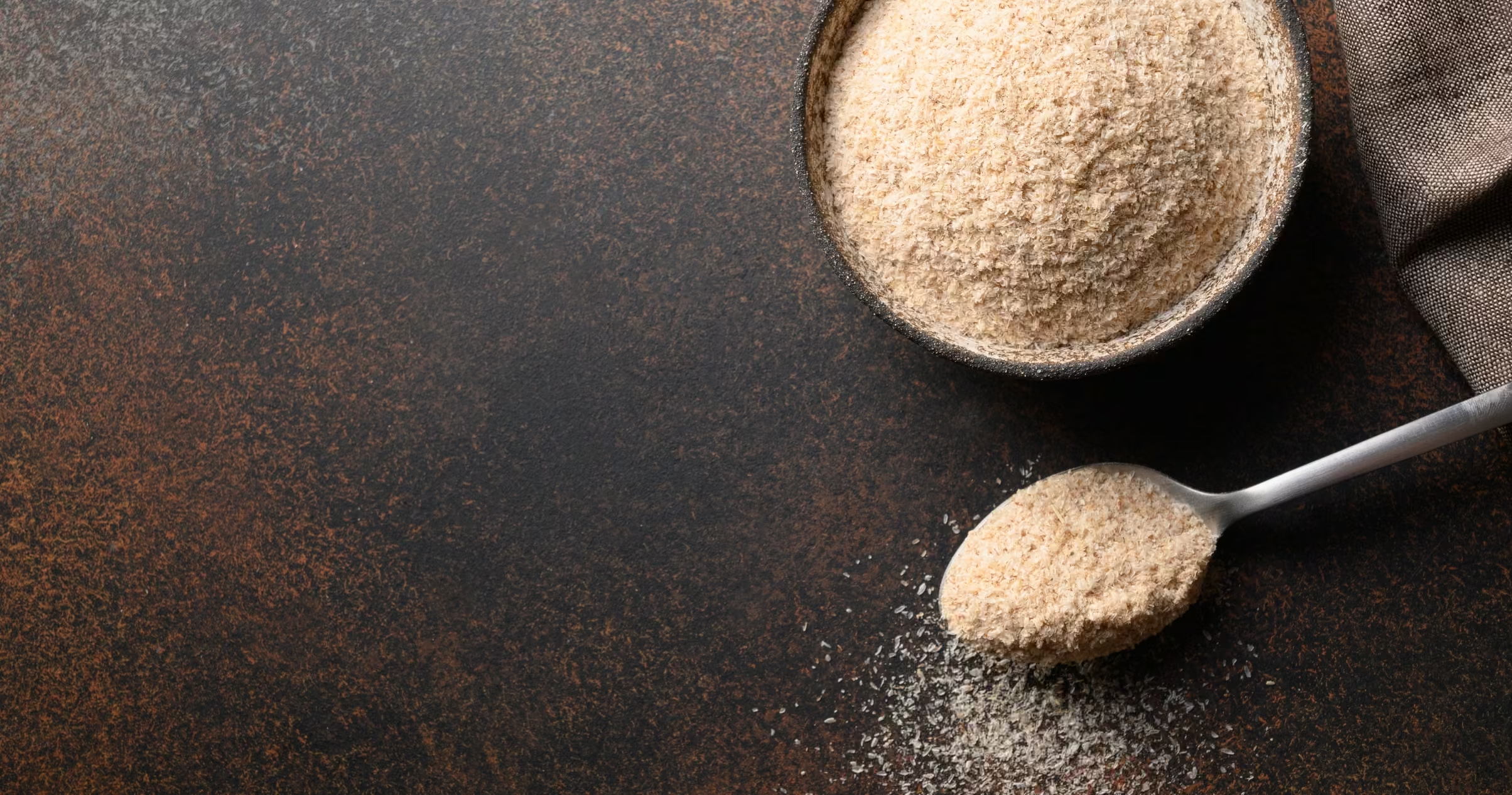
Getting older isn’t always a smooth ride – especially when it comes to digestion. If you’re seeking constipation relief and better gut health, let’s talk about psyllium husk – that humble fiber supplement that’s a real mover and shaker in the wellness world. Psyllium husk is basically the outer covering of seeds from the Plantago ovata plant, and when mixed with water it swells into a gel-like mass. Not exactly glamorous, but trust us, your insides will thank you. Below we break down the top ten cheeky yet informative benefits of psyllium husk, from keeping you regular to helping your heart, all backed by science.
1. Relieves Constipation and Keeps You Regular
Psyllium is a bulk-forming laxative – meaning it soaks up water in your gut and adds bulk to your stool, helping ease constipation [1][2]. It’s often referred to as “nature’s Metamucil” and is widely used for regularity.
2. Eases Diarrhea and Normalizes Stool
Psyllium can also help manage diarrhea by absorbing excess water in the colon and forming firmer stools [2][3]. This dual ability to soften or firm stool makes it a versatile digestive aid.


3. Prevents Hemorrhoids and Straining
By softening stool and reducing straining, psyllium helps prevent hemorrhoids and anal fissures, making bathroom trips less of a battle [3][4].
4. Soothes Irritable Bowel Syndrome (IBS) Symptoms
Psyllium is one of the few fibers recommended for both constipation- and diarrhea-predominant IBS. It helps normalize stool and reduce abdominal pain [5].
5. Feeds Good Gut Bacteria (Prebiotic Effects)
Some of the psyllium that reaches your colon is fermented by gut bacteria, producing short-chain fatty acids that support gut health and microbial diversity [6].
6. Lowers Cholesterol and Boosts Heart Health
Psyllium binds to cholesterol in the digestive tract and helps excrete it, lowering LDL (“bad”) cholesterol and improving heart health [7][8].
7. Helps Control Blood Sugar Levels
By slowing digestion and the absorption of carbohydrates, psyllium helps moderate post-meal blood sugar spikes and improve glycemic control [9].
8. Aids Weight Management by Increasing Fullness
Psyllium expands in the stomach and increases feelings of fullness, potentially reducing overall calorie intake [10].
9. Gentle on the Stomach and Safe for Daily Use
Unlike stimulant laxatives, psyllium works gently and is non-habit forming, making it safe for daily use when taken with plenty of water [11].
10. Easy to Incorporate into Your Diet
Psyllium comes in powders, capsules, and even snack-friendly forms. You can stir it into water, blend into smoothies, or bake it into high-fiber treats [12].
References
- Mount Sinai. “Psyllium.” https://www.mountsinai.org/health-library/supplement/psyllium
- Medical News Today. “8 Benefits of Psyllium Husk.” https://www.medicalnewstoday.com/articles/318144
- Healthline. “Psyllium: Benefits, Side Effects, Dosage.” https://www.healthline.com/nutrition/psyllium
- Cleveland Clinic. “Should You Be Using Psyllium Husk?” https://health.clevelandclinic.org/psyllium-husk-benefits
- McRorie JW et al. Nutrition Today. 2021. “Evidence-Based Review of Psyllium and IBS.”
- Slavin JL. “Fiber and Prebiotics: Mechanisms and Health Benefits.” Nutrients. 2013.
- Anderson JW et al. “Meta-Analysis of the Effects of Psyllium on Lipid Levels.” Am J Clin Nutr. 2000.
- FDA Health Claim: Psyllium and Heart Disease Risk Reduction. https://www.fda.gov
- Sierra M et al. “Psyllium and Glucose Metabolism.” Eur J Clin Nutr. 2002.
- Pal S et al. “Effects of psyllium on appetite and weight.” Appetite. 2011.
- Harvard Health Publishing. “The scoop on psyllium fiber.” https://www.health.harvard.edu
- Everyday Health. “How to Use Psyllium Husk in Your Diet.” https://www.everydayhealth.com


