


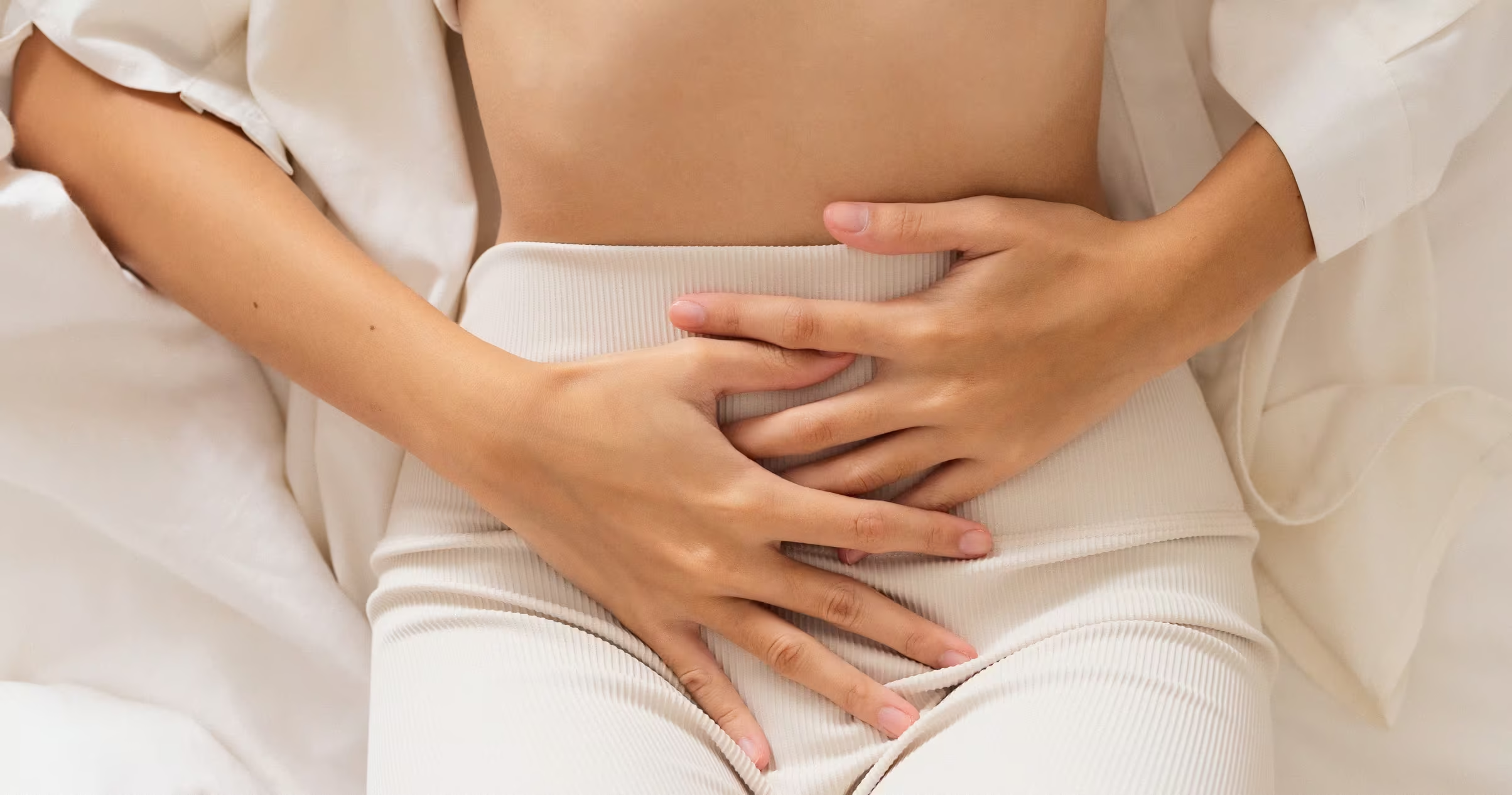
Dealing with constipation while on your period can feel like your body is working against you at an already challenging time. If you’re experiencing the discomfort of being constipated while on period, please know you’re not alone. This common but rarely discussed issue affects many women during their menstrual cycle, adding another layer of discomfort to an already difficult time. Research suggests that up to 73% of women experience at least one digestive symptom before or during their period, with constipation being among the most common complaints[1]. Let’s explore why this happens and, most importantly, how you can find relief.
The Science Behind Period and Constipation
The connection between constipation and your period stems primarily from hormonal fluctuations. During menstruation, your body releases prostaglandins, which help the uterus contract but can also affect your digestive system. Dr. Lara Briden, author of “Period Repair Manual,” explains that these prostaglandins can sometimes target the bowels, causing either diarrhea or constipation depending on the individual[2].
Additionally, progesterone levels, which rise before your period, can slow down digestion, leading to pre-period constipation. This hormone relaxes smooth muscle tissue throughout the body, including the digestive tract, which can delay food passage through the intestines[3]. A 2014 study published in the Journal of Neurogastroenterology and Motility found that women experienced significantly slower colonic transit during the luteal phase of their cycle when progesterone is highest[4].
Many women notice constipation during ovulation or experience constipation before menstruation begins. Being constipated while on period is particularly frustrating as it compounds with other PMS symptoms like bloating, breast tenderness, and mood changes. The relationship between constipation and PMS is well-documented, though not often discussed openly in everyday conversation.
How Your Menstrual Cycle Affects Digestive Health
Your menstrual cycle can be divided into several phases, each potentially affecting your digestive system differently:
Follicular Phase (Days 1-14): During your period and the days following, estrogen levels begin to rise. Some women experience relief from constipation during this time, though the prostaglandins released during menstruation can cause various digestive symptoms[5].
Ovulation (Around Day 14): Constipation during ovulation is common as hormone levels shift rapidly. Some women report digestive changes during this time as estrogen peaks and then drops while progesterone begins to rise[6].
Luteal Phase (Days 15-28): This is when constipation before menstruation typically occurs. Progesterone levels are at their highest, potentially slowing down the digestive tract. A 2009 study in BMC Women’s Health found that 73% of women reported at least one gastrointestinal symptom during the luteal phase[7].
Understanding this cycle can help you anticipate and prepare for constipation prior to period or during other phases of your cycle.
Effective Solutions for Period and Constipation
If you’re struggling with being constipated while on period, here are some gentle, effective approaches to find relief:
- Stay hydrated: Drinking plenty of water helps soften stool and promotes regular bowel movements. Research suggests that increasing water intake can significantly improve constipation symptoms[8]. Aim for at least 8-10 glasses daily, especially during your period when you may be losing additional fluids.
- Increase fiber intake: Consuming fiber-rich foods like fruits, vegetables, and whole grains can help alleviate constipation during menstruation. A 2012 systematic review found that dietary fiber intake consistently improves constipation symptoms[9]. Foods particularly high in fiber include berries, apples, broccoli, beans, and whole grains.
- Regular exercise: Even light movement like walking or yoga can stimulate your digestive system when you’re constipated on period. A study published in the American Journal of Gastroenterology found that physical activity improves constipation symptoms by decreasing intestinal transit time[10]. Even 20-30 minutes of gentle movement daily can make a difference.
- Warm beverages: Herbal teas or warm water with lemon can help stimulate digestion. Ginger tea, in particular, has been shown to aid digestion and reduce inflammation, which may be beneficial during your period[11].
- Manage stress: Stress can worsen both constipation and PMS symptoms, so finding relaxation techniques that work for you is important. The gut-brain connection is well-established, with research showing that psychological stress can directly impact digestive function[12]. Meditation, deep breathing, or gentle yoga may help manage constipation and PMS.
- Consider magnesium supplements: Magnesium can help relax the bowel muscles and draw water into the intestines. A 2007 study found that magnesium supplements effectively relieved constipation in women[13]. Always consult with a healthcare provider before starting any supplement.
Inulin: A Natural Hero for Constipation Relief
Among the most effective natural remedies for constipation and menstruation issues is inulin, a type of soluble fiber that works wonders for digestive health. When you’re constipated while on period, inulin can provide significant relief without harsh side effects.
Inulin works by acting as a prebiotic, feeding the beneficial bacteria in your gut. This promotes a healthier digestive system overall and can help regulate bowel movements naturally. A 2017 study published in the International Journal of Food Sciences and Nutrition found that inulin supplementation significantly improved bowel function and stool consistency in adults with constipation[14].
Unlike harsh laxatives that might cause cramping (the last thing you need during your period!), inulin works gently with your body’s natural processes. Research shows that inulin increases stool frequency and improves consistency without causing the uncomfortable side effects associated with traditional laxatives[15].
The benefits of inulin extend beyond constipation relief. Studies have shown that inulin:
- Improves gut microbiome diversity, which may help with overall digestive health[16]
- May help reduce inflammation, which could be beneficial during menstruation[17]
- Supports calcium absorption, which is important for bone health in women[18]
- May help regulate blood sugar levels, which can fluctuate during your cycle[19]
You can easily incorporate inulin into your daily routine in several ways:
- Add to baked goods: Replace a small portion of flour with inulin powder in muffins, cookies, or bread for a fiber boost without changing the taste. Inulin can replace up to 10% of flour in most recipes and actually improves texture in many baked goods.
- Mix into beverages: Stir inulin powder into your morning coffee, tea, or smoothie. It dissolves easily and has a mild, slightly sweet taste. Start with 1-2 teaspoons and gradually increase to avoid digestive discomfort.
- Use in yogurt or oatmeal: Sprinkle inulin into your breakfast for an easy digestive boost. Combining inulin with probiotic-rich foods like yogurt creates a powerful synbiotic effect that further supports gut health[20].
- Make inulin-infused water: Dissolve a teaspoon of inulin in warm water and add lemon for a refreshing, gut-friendly drink that can help when you’re constipated while on period.
Many women who struggle with constipated PMS symptoms find that regular inulin consumption not only helps with immediate relief but also improves their digestive health throughout their cycle. The beauty of inulin is that it’s not just addressing the symptom of constipation—it’s supporting your overall gut health, which can have positive effects on hormonal balance as well.
Nutritionist Dr. Megan Rossi, known as The Gut Health Doctor, recommends gradually introducing inulin to avoid bloating, starting with small amounts (around 2-3g daily) and slowly increasing to 5-10g daily over several weeks[21].
Understanding the Gut-Hormone Connection
Recent research has revealed fascinating connections between gut health and hormonal balance. Your gut microbiome can influence how hormones are metabolized and eliminated from your body, potentially affecting your menstrual symptoms[22].
Studies show that women with digestive issues are more likely to experience severe PMS symptoms, suggesting that addressing gut health might help with both constipation and other period-related discomforts[23]. This is another reason why inulin’s gut-supporting properties make it particularly valuable for women experiencing constipation with their period.
The gut-hormone connection works both ways—hormonal fluctuations affect your digestive system, and your digestive health influences how your body processes hormones. Creating a healthy gut environment through fiber-rich foods, including inulin, may help create a more balanced hormonal state throughout your cycle[24].
When to Seek Medical Advice
While being constipated while on period is common, certain symptoms warrant medical attention:
- Severe abdominal pain that isn’t relieved by passing gas or bowel movements
- Constipation that alternates with diarrhea regularly
- Blood in your stool (not from your period)
- Unexplained weight loss
- Constipation that doesn’t respond to home remedies and lifestyle changes
These symptoms could indicate underlying conditions like endometriosis, which can cause both menstrual and digestive symptoms, or irritable bowel syndrome, which often worsens during menstruation[25].
Creating a Holistic Approach
Remember that addressing constipation before menstruation or during your period works best with a comprehensive approach. Combining inulin with adequate hydration, regular movement, and stress management creates a powerful strategy for relief.
Consider tracking your symptoms throughout your cycle to identify patterns. Many women find that being proactive about increasing fiber and water intake a few days before expected constipation (based on their cycle) can prevent the problem altogether.
If you consistently experience severe constipation prior to period or constipation during ovulation, it might be worth discussing with your healthcare provider, as they can offer personalized advice and ensure there are no underlying issues.
Being constipated while on period doesn’t have to be an inevitable monthly struggle. With thoughtful dietary choices—especially incorporating inulin—and lifestyle adjustments, you can experience significant relief and face your period with one less discomfort to manage.
References
[1] Bernstein, M. T., et al. (2014). “Gastrointestinal symptoms before and during menses in women with IBD.” Alimentary Pharmacology & Therapeutics, 40(5), 551-563.
[2] Briden, L. (2018). “Period Repair Manual: Natural Treatment for Better Hormones and Better Periods.” Greenpeak Publishing.
[3] Wald, A., et al. (2010). “Effect of pregnancy and reproductive span on the gastrointestinal tract.” Gastroenterology Clinics of North America, 39(2), 321-341.
[4] Jung, H. K., et al. (2014). “The Effect of Menstrual Cycle on Gastrointestinal Transit Time.” Journal of Neurogastroenterology and Motility, 20(4), 512-520.
[5] Bharadwaj, S., et al. (2015). “Intestinal serotonin and drug exposure modulate bacterial colonization in the gut.” Nature Microbiology, 1, 16125.
[6] Mulak, A., et al. (2014). “Sex hormones in the modulation of irritable bowel syndrome.” World Journal of Gastroenterology, 20(10), 2433-2448.
[7] Ryu, A., & Kim, T. H. (2015). “Premenstrual syndrome: A mini review.” Maturitas, 82(4), 436-440.
[8] Anti, M., et al. (1998). “Water supplementation enhances the effect of high-fiber diet on stool frequency and laxative consumption in adult patients with functional constipation.” Hepatogastroenterology, 45(21), 727-732.
[9] Yang, J., et al. (2012). “Effect of dietary fiber on constipation: A meta analysis.” World Journal of Gastroenterology, 18(48), 7378-7383.
[10] De Schryver, A. M., et al. (2005). “Effects of regular physical activity on defecation pattern in middle-aged patients complaining of chronic constipation.” Scandinavian Journal of Gastroenterology, 40(4), 422-429.
[11] Nikkhah Bodagh, M., et al. (2019). “Ginger in gastrointestinal disorders: A systematic review of clinical trials.” Food Science & Nutrition, 7(1), 96-108.
[12] Konturek, P. C., et al. (2011). “Stress and the gut: pathophysiology, clinical consequences, diagnostic approach and treatment options.” Journal of Physiology and Pharmacology, 62(6), 591-599.
[13] Mori, S., et al. (2019). “Magnesium oxide in constipation.” Nutrients, 11(4), 755.
[14] Micka, A., et al. (2017). “Effect of consumption of chicory inulin on bowel function in healthy subjects with constipation: a randomized, double-blind, placebo-controlled trial.” International Journal of Food Sciences and Nutrition, 68(1), 82-89.
[15] Vandeputte, D., et al. (2017). “Prebiotic inulin-type fructans induce specific changes in the human gut microbiota.” Gut, 66(11), 1968-1974.
[16] Roberfroid, M., et al. (2010). “Prebiotic effects: metabolic and health benefits.” British Journal of Nutrition, 104(S2), S1-S63.
[17] Vogt, L., et al. (2015). “Immune modulation by different types of β2→1-fructans is toll-like receptor dependent.” PLoS One, 10(7), e0132304.
[18] Abrams, S. A., et al. (2005). “A combination of prebiotic short- and long-chain inulin-type fructans enhances calcium absorption and bone mineralization in young adolescents.” American Journal of Clinical Nutrition, 82(2), 471-476.
[19] Liu, F., et al. (2017). “Effect of inulin-type fructans on blood lipid profile and glucose level: a systematic review and meta-analysis of randomized controlled trials.” European Journal of Clinical Nutrition, 71(1), 9-20.
[20] Kolida, S., & Gibson, G. R. (2011). “Synbiotics in health and disease.” Annual Review of Food Science and Technology, 2, 373-393.
[21] Rossi, M. (2019). “Eat Yourself Healthy: An easy-to-digest guide to health and happiness from the inside out.” Penguin Life.
[22] Baker, J. M., et al. (2017). “Estrogen–gut microbiome axis: Physiological and clinical implications.” Maturitas, 103, 45-53.
[23] Cani, P. D., et al. (2019). “Microbial regulation of organismal energy homeostasis.” Nature Metabolism, 1(1), 34-46.
[24] Chen, K. L., & Madak-Erdogan, Z. (2016). “Estrogen and Microbiota Crosstalk: Should We Pay Attention?” Trends in Endocrinology & Metabolism, 27(11), 752-755.
[25] Heitkemper, M. M., & Chang, L. (2009). “Do fluctuations in ovarian hormones affect gastrointestinal symptoms in women with irritable bowel syndrome?” Gender Medicine, 6(Suppl 2), 152-167.
