


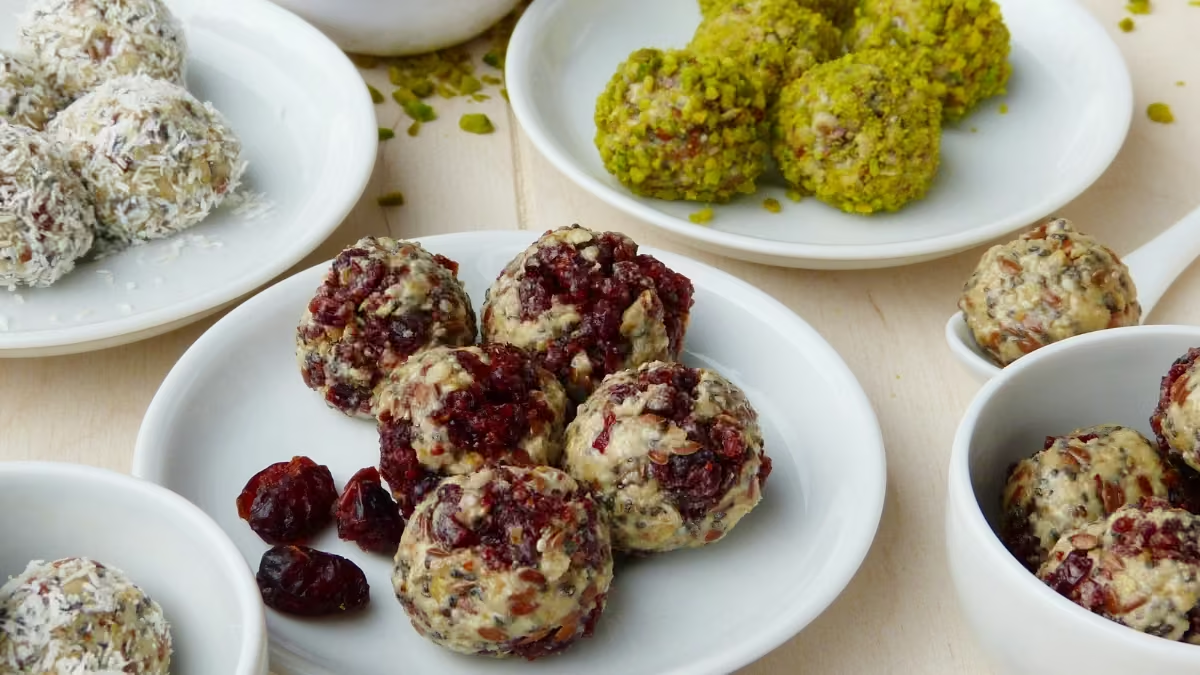
Constipation affects millions of adults, with studies showing that up to 27% of the population experiences symptoms regularly (1). While there are many remedies available, high-fiber protein balls offer a particularly effective and convenient solution. These bite-sized powerhouses combine protein for satiety with fiber for digestive health, creating the perfect on-the-go snack for busy individuals struggling with constipation.
These five fiber-packed protein ball recipes not only taste delicious but are specifically formulated to improve digestive regularity. Each recipe incorporates miNATURALS Inulin Fiber, a prebiotic fiber that has been clinically shown to improve bowel function in adults with constipation (2).
The Science Behind Protein Balls for Constipation Relief
Before diving into recipes, it’s worth understanding why protein balls can be particularly effective for constipation. The combination of fiber and protein helps regulate digestion in multiple ways. Fiber adds bulk to stool and draws water into the intestines, while protein provides sustained energy without the blood sugar spikes that can worsen constipation (3).
Research published in the American Journal of Gastroenterology found that balanced nutrition with adequate protein and fiber was more effective for long-term constipation management than fiber alone (4). Protein balls allow you to achieve this balance in a convenient, portion-controlled format.
Inulin is a type of soluble fiber that acts as a prebiotic, feeding beneficial gut bacteria. Research published in the International Journal of Food Sciences and Nutrition found that inulin supplementation significantly improved bowel function in adults with constipation (2). The miNATURALS Inulin Fiber used in these recipes provides this benefit in a convenient, easy-to-use form.
1. Prune and Almond Protein Power Balls
These classic constipation-fighting balls combine the natural laxative properties of prunes with protein-rich almonds and the prebiotic benefits of inulin fiber.
Ingredients (makes about 16 balls):
- 1 cup pitted prunes
- ½ cup almonds
- ¼ cup almond butter
- 2 tablespoons miNATURALS Inulin Fiber
- 2 tablespoons ground flaxseed
- 2 tablespoons hemp protein powder
- 1 tablespoon chia seeds
- 1 teaspoon cinnamon
- ¼ teaspoon sea salt
- 1-2 tablespoons water (if needed for consistency)
Preparation:
- Place almonds in a food processor and pulse until coarsely chopped.
- Add prunes, almond butter, miNATURALS Inulin Fiber, flaxseed, hemp protein, chia seeds, cinnamon, and salt.
- Process until the mixture forms a sticky dough, adding water if needed for consistency.
- Roll into 1-inch balls.
- Store in an airtight container in the refrigerator for up to a week or freeze for up to 3 months.
Fiber Content: Approximately 3-4 grams per ball
Protein Content: Approximately 3 grams per ball
Why It Works: Prunes have a well-deserved reputation for relieving constipation. Research shows they may be even more effective than psyllium fiber supplements. A study in Alimentary Pharmacology & Therapeutics found that prunes were more effective than psyllium for improving stool frequency and consistency (5).
The combination of almonds, hemp protein, and chia seeds provides a complete protein profile while adding additional fiber. Research published in the Journal of Medicinal Food found that chia seeds can absorb up to 12 times their weight in water, forming a gel-like substance that helps promote regular bowel movements (6).
The addition of miNATURALS Inulin Fiber enhances the prebiotic benefits, feeding beneficial gut bacteria that support digestive health. The combination of different fiber types works through multiple mechanisms to relieve constipation.

2. Chocolate Quinoa Fiber Boost Balls
These decadent-tasting balls combine the benefits of quinoa, a complete protein and fiber source, with the antioxidant properties of dark chocolate.
Ingredients (makes about 16 balls):
- 1 cup cooked quinoa, cooled
- ½ cup almond butter (or nut butter of choice)
- 3 tablespoons honey or maple syrup
- 2 tablespoons miNATURALS Inulin Fiber
- 3 tablespoons unsweetened cocoa powder
- 2 tablespoons ground flaxseed
- 2 tablespoons chocolate protein powder
- ½ teaspoon vanilla extract
- ¼ teaspoon sea salt
- 3 tablespoons mini dark chocolate chips
- 2 tablespoons cacao nibs
Preparation:
- In a large bowl, combine cooked quinoa, almond butter, honey or maple syrup, miNATURALS Inulin Fiber, cocoa powder, flaxseed, protein powder, vanilla, and salt.
- Mix thoroughly until well combined.
- Fold in chocolate chips and cacao nibs.
- Refrigerate mixture for 30 minutes to firm up.
- Roll into 1-inch balls.
- Store in an airtight container in the refrigerator for up to a week.
Fiber Content: Approximately 3 grams per ball
Protein Content: Approximately 4 grams per ball
Why It Works: Quinoa is a unique grain that provides both high-quality protein and fiber. Unlike many grains, quinoa contains all nine essential amino acids, making it a complete protein source. Research published in Food Chemistry found that quinoa contains both soluble and insoluble fiber, providing a comprehensive approach to digestive health (7).
Dark chocolate contains polyphenols that may support gut health. Research published in the American Journal of Clinical Nutrition found that cocoa flavanols increased beneficial gut bacteria and reduced inflammation in the digestive tract (8).
The addition of miNATURALS Inulin Fiber enhances the prebiotic benefits, while flaxseed adds omega-3 fatty acids that may help reduce inflammation in the digestive tract. The combination creates a delicious treat that effectively supports digestive health.
3. Zucchini Bread Protein Balls
These innovative protein balls incorporate vegetables for added fiber and moisture, creating a guilt-free snack reminiscent of zucchini bread.
Ingredients (makes about 16 balls):
- 1 cup grated zucchini, excess moisture squeezed out
- 1 cup rolled oats
- ½ cup vanilla protein powder
- 2 tablespoons miNATURALS Inulin Fiber
- ¼ cup almond butter
- 2 tablespoons honey or maple syrup
- 1 teaspoon cinnamon
- ½ teaspoon nutmeg
- ¼ teaspoon ground ginger
- ¼ cup chopped walnuts
- 2 tablespoons raisins or dried cranberries
- 1 tablespoon lemon zest
Preparation:
- In a food processor, pulse oats until they form a coarse flour.
- Add protein powder, miNATURALS Inulin Fiber, cinnamon, nutmeg, and ginger, and pulse to combine.
- Add zucchini, almond butter, and honey or maple syrup, and pulse until well mixed.
- Transfer to a bowl and fold in walnuts, raisins or cranberries, and lemon zest.
- Refrigerate mixture for 30 minutes to firm up.
- Roll into 1-inch balls.
- Store in an airtight container in the refrigerator for up to 5 days.
Fiber Content: Approximately 3 grams per ball
Protein Content: Approximately 5 grams per ball
Why It Works: This recipe incorporates vegetables into a convenient snack format, helping you increase your vegetable intake while addressing constipation. Zucchini provides both fiber and high water content, which is essential for fiber to work effectively.
Oats contain beta-glucan, a soluble fiber that forms a gel-like substance in the digestive tract, helping to soften stool. Research in the Journal of Nutrition found that oat bran was effective in relieving constipation in elderly patients (9).
The addition of miNATURALS Inulin Fiber enhances the prebiotic benefits, while walnuts provide healthy fats that help lubricate the digestive tract. The combination of spices, particularly ginger, may help stimulate digestive enzymes and improve overall digestion (10).
4. Berry Chia Protein Balls
These fruity protein balls combine the fiber benefits of berries and chia seeds with the protein power of hemp seeds.
Ingredients (makes about 16 balls):
- 1 cup freeze-dried berries (strawberries, raspberries, or mixed berries)
- 1 cup pitted dates
- ½ cup hemp seeds
- ¼ cup chia seeds
- 2 tablespoons miNATURALS Inulin Fiber
- 2 tablespoons vanilla protein powder
- 1 tablespoon lemon juice
- 1 teaspoon lemon zest
- ¼ teaspoon sea salt
- Unsweetened shredded coconut for rolling (optional)
Preparation:
- In a food processor, pulse freeze-dried berries until they form a powder.
- Add dates and process until finely chopped and beginning to form a paste.
- Add hemp seeds, chia seeds, miNATURALS Inulin Fiber, protein powder, lemon juice, lemon zest, and salt.
- Process until the mixture forms a sticky dough.
- Roll into 1-inch balls.
- If desired, roll balls in shredded coconut to coat.
- Store in an airtight container in the refrigerator for up to a week.
Fiber Content: Approximately 4 grams per ball
Protein Content: Approximately 4 grams per ball
Why It Works: Berries are fiber powerhouses, with raspberries containing an impressive 8 grams per cup. They’re also rich in polyphenols that support gut health and reduce inflammation. Research in the Journal of Agricultural and Food Chemistry suggests these compounds may help reduce inflammation in the digestive tract and support beneficial gut bacteria (11).
Chia seeds form a gel-like substance in the digestive tract that helps soften stool and ease passage. Research in the Journal of Food Science and Technology found that chia seeds can absorb up to 12 times their weight in water, forming a gel-like substance that helps promote regular bowel movements (6).
Dates provide natural sweetness plus additional fiber, while hemp seeds contribute protein and omega-3 fatty acids that may help reduce inflammation in the digestive tract. The addition of miNATURALS Inulin Fiber enhances the prebiotic benefits, creating a comprehensive approach to constipation relief.
5. Pumpkin Pie Protein Balls
These seasonal-inspired protein balls combine the fiber benefits of pumpkin with warming spices that support digestion.
Ingredients (makes about 16 balls):
- ½ cup pumpkin puree (not pumpkin pie filling)
- 1 cup rolled oats
- ½ cup vanilla protein powder
- ¼ cup almond butter
- 2 tablespoons miNATURALS Inulin Fiber
- 2 tablespoons ground flaxseed
- 2 tablespoons maple syrup
- 1 teaspoon pumpkin pie spice
- ½ teaspoon cinnamon
- ¼ teaspoon ground ginger
- ¼ cup chopped pecans
- 2 tablespoons pepitas (pumpkin seeds)
Preparation:
- In a food processor, pulse oats until they form a coarse flour.
- Add protein powder, miNATURALS Inulin Fiber, flaxseed, pumpkin pie spice, cinnamon, and ginger, and pulse to combine.
- Add pumpkin puree, almond butter, and maple syrup, and pulse until well mixed.
- Transfer to a bowl and fold in chopped pecans and pepitas.
- Refrigerate mixture for 30 minutes to firm up.
- Roll into 1-inch balls.
- Store in an airtight container in the refrigerator for up to a week.
Fiber Content: Approximately 3 grams per ball
Protein Content: Approximately 4 grams per ball
Why It Works: Pumpkin is rich in fiber, with about 3 grams per cup, and contains high water content, which is essential for fiber to work effectively. Research published in the Journal of Medicinal Food found that pumpkin extract improved bowel function in a clinical trial (12).
The warming spices in this recipe, particularly ginger, may help stimulate digestive enzymes and improve overall digestion. A study in the European Journal of Gastroenterology and Hepatology found that ginger significantly accelerated gastric emptying in patients with functional dyspepsia (13).
The addition of miNATURALS Inulin Fiber enhances the prebiotic benefits, while flaxseed adds omega-3 fatty acids that may help reduce inflammation in the digestive tract. The combination creates a seasonal treat that effectively supports digestive health.
Tips for Maximum Effectiveness
- Start gradually: If you’re not accustomed to high-fiber foods, introduce these protein balls gradually to avoid bloating or discomfort.
- Stay hydrated: Fiber works best with plenty of water. Aim for at least 8 glasses daily, more when increasing fiber intake.
- Timing matters: Consider having a protein ball as a mid-morning or mid-afternoon snack, allowing time for it to work through your digestive system.
- Be consistent: Regular fiber intake is key for maintaining digestive regularity. Aim to include high-fiber snacks daily.
- Store properly: Keep protein balls in the refrigerator to maintain freshness and prevent the oils in nuts and seeds from going rancid.
- Customize for your needs: If you have specific dietary requirements, these recipes can be adapted. For example, substitute sunflower seed butter for nut butter in case of nut allergies.
- Listen to your body: Everyone’s digestive system is different. Pay attention to which recipes work best for your body and adjust accordingly.
When to See a Doctor
While dietary changes often help relieve constipation, persistent symptoms warrant medical attention. See a healthcare provider if constipation lasts more than two weeks, is accompanied by pain or bleeding, or if you experience unexplained weight loss.
Remember that high-fiber protein balls should complement, not replace, an overall fiber-rich diet. For long-term digestive health, aim to consume a variety of high-fiber foods throughout the day, stay well-hydrated, and maintain regular physical activity.
References
- Suares NC, Ford AC. Prevalence of, and risk factors for, chronic idiopathic constipation in the community: systematic review and meta-analysis. Am J Gastroenterol. 2011;106(9):1582-1591.
- Micka A, Siepelmeyer A, Holz A, Theis S, Schön C. Effect of consumption of chicory inulin on bowel function in healthy subjects with constipation: a randomized, double-blind, placebo-controlled trial. Int J Food Sci Nutr. 2017;68(1):82-89.
- Nilsson AC, Östman EM, Holst JJ, Björck IM. Including indigestible carbohydrates in the evening meal of healthy subjects improves glucose tolerance, lowers inflammatory markers, and increases satiety after a subsequent standardized breakfast. J Nutr. 2008;138(4):732-739.
- Rao SS, Yu S, Fedewa A. Systematic review: dietary fibre and FODMAP-restricted diet in the management of constipation and irritable bowel syndrome. Aliment Pharmacol Ther. 2015;41(12):1256-1270.
- Attaluri A, Donahoe R, Valestin J, Brown K, Rao SS. Randomised clinical trial: dried plums (prunes) vs. psyllium for constipation. Aliment Pharmacol Ther. 2011;33(7):822-828.
- Ullah R, Nadeem M, Khalique A, et al. Nutritional and therapeutic perspectives of Chia (Salvia hispanica L.): a review. J Food Sci Technol. 2016;53(4):1750-1758.
- Lamothe LM, Srichuwong S, Reuhs BL, Hamaker BR. Quinoa (Chenopodium quinoa W.) and amaranth (Amaranthus caudatus L.) provide dietary fibres high in pectic substances and xyloglucans. Food Chem. 2015;167:490-496.
- Tzounis X, Rodriguez-Mateos A, Vulevic J, Gibson GR, Kwik-Uribe C, Spencer JP. Prebiotic evaluation of cocoa-derived flavanols in healthy humans by using a randomized, controlled, double-blind, crossover intervention study. Am J Clin Nutr. 2011;93(1):62-72.
- Sturtzel B, Elmadfa I. Intervention with dietary fiber to treat constipation and reduce laxative use in residents of nursing homes. Ann Nutr Metab. 2008;52(1):54-56.
- Wu KL, Rayner CK, Chuah SK, et al. Effects of ginger on gastric emptying and motility in healthy humans. Eur J Gastroenterol Hepatol. 2008;20(5):436-440.
- Parkar SG, Stevenson DE, Skinner MA. The potential influence of fruit polyphenols on colonic microflora and human gut health. Int J Food Microbiol. 2008;124(3):295-298.
- Yoshinari O, Sato H, Igarashi K. Anti-diabetic effects of pumpkin and its components, trigonelline and nicotinic acid, on Goto-Kakizaki rats. Biosci Biotechnol Biochem. 2009;73(5):1033-1041.
- Hu ML, Rayner CK, Wu KL, et al. Effect of ginger on gastric motility and symptoms of functional dyspepsia. World J Gastroenterol. 2011;17(1):105-110.
Quick Reference: Fiber Content in Protein Ball Ingredients
| Ingredient | Serving Size | Fiber (g) | Special Benefits |
|---|---|---|---|
| miNATURALS Inulin Fiber | 1 tablespoon | 5 | Prebiotic that feeds beneficial bacteria |
| Prunes | 5-6 dried | 3-4 | Natural laxative properties |
| Chia seeds | 1 tablespoon | 5 | Forms gel in digestive tract |
| Ground flaxseed | 1 tablespoon | 3 | Contains omega-3 fatty acids |
| Rolled oats | ¼ cup | 2 | Contains beta-glucan |
| Quinoa | ¼ cup cooked | 2.5 | Complete protein, contains magnesium |
| Dates | 3 medium | 3 | Natural sweetener with fiber |
| Almonds | ¼ cup | 4 | Provides healthy fats and magnesium |
| Zucchini | ½ cup grated | 1 | High water content |
| Pumpkin puree | ¼ cup | 2 | Rich in vitamin A for gut lining health |
