


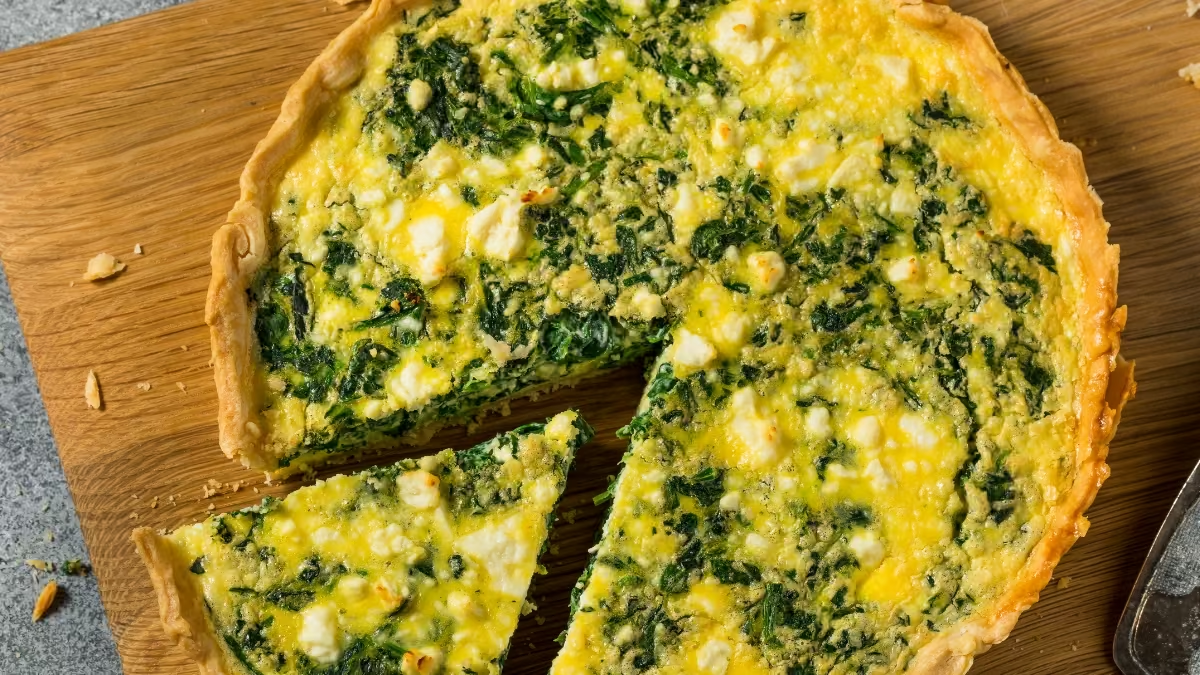
Constipation affects millions of adults, with studies showing that up to 27% of the population experiences symptoms regularly (1). While there are many remedies available, high-fiber meals like quiche can be both delicious and effective for improving digestive health. This zucchini quiche recipe transforms a traditionally low-fiber dish into a constipation-fighting powerhouse by incorporating multiple high-fiber ingredients, including miNATURALS Inulin Fiber.

Why Quiche Can Be Great for Digestive Health
Traditional quiche, with its buttery crust and egg-based filling, isn’t typically considered a high-fiber food. However, with strategic ingredient choices, quiche can become an excellent vehicle for fiber delivery. The egg base provides protein that helps balance the fiber, creating a satisfying meal that supports digestive health without causing blood sugar spikes that can worsen constipation (2).
Zucchini is particularly beneficial for constipation relief, providing about 1 gram of fiber per cup while being over 90% water—a perfect combination for digestive health, as fiber works best when paired with adequate hydration (3). Research published in the Journal of Gastroenterology and Hepatology found that vegetables with high water content are particularly effective for improving stool consistency (4).
High-Fiber Zucchini and Quinoa Quiche with Inulin Boost
This quiche combines multiple fiber sources with different benefits, creating a comprehensive approach to constipation relief.
Ingredients (serves 8):
For the crust:
- 1 cup whole wheat flour
- ½ cup rolled oats, ground in food processor
- ¼ cup ground flaxseed
- ½ teaspoon salt
- ⅓ cup olive oil
- 3-4 tablespoons ice water
For the filling:
- 2 medium zucchini, grated (about 2 cups)
- 1 cup cooked quinoa
- 1 small onion, diced
- 2 cloves garlic, minced
- 1 cup cherry tomatoes, halved
- 1 cup spinach, chopped
- 6 large eggs
- ½ cup milk (dairy or plant-based)
- 2 tablespoons miNATURALS Inulin Fiber
- 1 cup shredded cheese (cheddar, Swiss, or a combination)
- 1 teaspoon dried herbs (thyme, oregano, or herbes de Provence)
- ½ teaspoon salt
- ¼ teaspoon black pepper
- 2 tablespoons fresh basil, chopped (for garnish)
Preparation:
For the crust:
- Preheat oven to 375°F (190°C).
- In a large bowl, combine whole wheat flour, ground oats, flaxseed, and salt.
- Add olive oil and mix with a fork until crumbly.
- Add ice water, 1 tablespoon at a time, until dough comes together.
- Press dough into a 9-inch pie dish, creating an even layer on bottom and sides.
- Bake for 10 minutes, then remove and set aside.
For the filling:
- Place grated zucchini in a clean kitchen towel and squeeze out excess moisture.
- In a large skillet, sauté onion in a bit of olive oil for 3-4 minutes until translucent.
- Add garlic and cook for another minute until fragrant.
- Add zucchini and cook for 3-4 minutes until tender.
- Stir in spinach and cook until wilted, about 1 minute.
- Remove from heat and let cool slightly.
- In a large bowl, whisk together eggs, milk, and miNATURALS Inulin Fiber.
- Stir in cooked quinoa, vegetable mixture, cherry tomatoes, cheese, herbs, salt, and pepper.
- Pour filling into the par-baked crust.
- Bake for 35-40 minutes until the center is set and the top is golden brown.
- Let cool for 10 minutes before slicing.
- Garnish with fresh basil before serving.
Fiber Content: Approximately 6-8 grams per slice
Why It Works: This quiche combines multiple fiber sources with different benefits. The whole wheat and oat crust provides insoluble fiber for bulk, while flaxseed adds both soluble and insoluble fiber plus omega-3 fatty acids that may help reduce inflammation in the digestive tract (5).
Zucchini, spinach, and tomatoes add vegetable fiber plus essential hydration, while quinoa provides both soluble and insoluble fiber. Research published in the Journal of Nutrition found that combining different types of fiber can be more effective than using a single source (6).
The addition of miNATURALS Inulin Fiber enhances the prebiotic benefits, feeding beneficial gut bacteria that support digestive health. A clinical trial published in the International Journal of Food Sciences and Nutrition found that inulin supplementation significantly improved bowel function in adults with constipation (7).
Variations to Keep Things Interesting
Mediterranean Version:
- Add ¼ cup chopped olives, ½ cup diced bell peppers, and substitute feta for the cheddar cheese.
Fall Harvest Version:
- Substitute 1 cup diced butternut squash for 1 cup of the zucchini and add 1 tablespoon fresh sage.
Mexican-Inspired Version:
- Add 1 diced jalapeño, ½ cup black beans, and substitute Mexican cheese blend. Serve with avocado slices.
Tips for Maximum Digestive Benefits
- Don’t skip the crust: The whole grain crust contributes significant fiber to this recipe. If you must use a store-bought crust, look for whole wheat options.
- Squeeze the zucchini thoroughly: Removing excess moisture ensures your quiche won’t be watery, but don’t rinse the zucchini—you want to preserve its soluble fiber.
- Don’t overcook: Overcooked eggs can be harder to digest. Remove the quiche from the oven when the center is just set but still has a slight jiggle.
- Serve with a side salad: Pair your fiber-rich quiche with a simple green salad dressed with olive oil and lemon juice for additional fiber and digestive benefits.
- Stay hydrated: Drink plenty of water with your quiche to help the fiber work effectively.
- Store properly: This quiche keeps well in the refrigerator for up to 3 days or can be frozen in individual slices for convenient access to a high-fiber meal.
- Consider timing: Some people find that consuming high-fiber foods in the morning or early afternoon provides the best digestive benefits.

The Science Behind the Ingredients
Zucchini: Beyond its fiber content, zucchini contains pectin, a soluble fiber that helps soften stool. Research in the Journal of Agricultural and Food Chemistry found that pectin can increase beneficial bacteria in the gut, supporting overall digestive health (8).
Quinoa: Unlike many grains, quinoa is a complete protein, containing all nine essential amino acids. This protein content helps balance the fiber, creating a meal that supports digestive health without causing blood sugar spikes that can worsen constipation (9).
Flaxseed: Ground flaxseed provides both soluble and insoluble fiber, plus omega-3 fatty acids that may help reduce inflammation in the digestive tract. A study in the Journal of Medicinal Food found that flaxseed significantly improved constipation symptoms and intestinal transit time (10).
Inulin Fiber: The miNATURALS Inulin Fiber in this recipe provides prebiotic benefits that support the growth of beneficial gut bacteria. Research shows that a healthy gut microbiome is essential for proper digestive function and regular bowel movements (11).
When to Enjoy This Quiche
This high-fiber quiche works well for any meal:
- Breakfast: Pair with fresh fruit for a balanced morning meal that sets you up for digestive success.
- Lunch: Serve with a simple green salad for a satisfying midday meal.
- Dinner: Add a side of roasted vegetables for a complete evening meal.
- Meal Prep: Make ahead for busy weekdays—individual slices reheat beautifully.
When to See a Doctor
While dietary changes often help relieve constipation, persistent symptoms warrant medical attention. See a healthcare provider if constipation lasts more than two weeks, is accompanied by pain or bleeding, or if you experience unexplained weight loss.
Remember that high-fiber meals like this quiche should complement, not replace, an overall fiber-rich diet. For long-term digestive health, aim to consume a variety of high-fiber foods throughout the day, stay well-hydrated, and maintain regular physical activity.
References
- Suares NC, Ford AC. Prevalence of, and risk factors for, chronic idiopathic constipation in the community: systematic review and meta-analysis. Am J Gastroenterol. 2011;106(9):1582-1591.
- Nilsson AC, Östman EM, Holst JJ, Björck IM. Including indigestible carbohydrates in the evening meal of healthy subjects improves glucose tolerance, lowers inflammatory markers, and increases satiety after a subsequent standardized breakfast. J Nutr. 2008;138(4):732-739.
- Anti M, Pignataro G, Armuzzi A, et al. Water supplementation enhances the effect of high-fiber diet on stool frequency and laxative consumption in adult patients with functional constipation. Hepatogastroenterology. 1998;45(21):727-732.
- Arnaud MJ. Mild dehydration: a risk factor of constipation? Eur J Clin Nutr. 2003;57 Suppl 2:S88-S95.
- Xu J, Zhou X, Chen C, et al. Laxative effects of partially defatted flaxseed meal on normal and experimental constipated mice. BMC Complement Altern Med. 2012;12:14.
- McRorie JW Jr. Evidence-Based Approach to Fiber Supplements and Clinically Meaningful Health Benefits, Part 2: What to Look for and How to Recommend an Effective Fiber Therapy. Nutr Today. 2015;50(2):90-97.
- Micka A, Siepelmeyer A, Holz A, Theis S, Schön C. Effect of consumption of chicory inulin on bowel function in healthy subjects with constipation: a randomized, double-blind, placebo-controlled trial. Int J Food Sci Nutr. 2017;68(1):82-89.
- Dongowski G, Lorenz A, Proll J. The degree of methylation influences the degradation of pectin in the intestinal tract of rats and in vitro. J Nutr. 2002;132(7):1935-1944.
- Vega-Gálvez A, Miranda M, Vergara J, Uribe E, Puente L, Martínez EA. Nutrition facts and functional potential of quinoa (Chenopodium quinoa willd.), an ancient Andean grain: a review. J Sci Food Agric. 2010;90(15):2541-2547.
- Tarpila A, Wennberg T, Tarpila S. Flaxseed as a functional food. Curr Top Nutraceutical Res. 2005;3(3):167-188.
- Quigley EMM. Gut microbiome as a clinical tool in gastrointestinal disease management: are we there yet? Nat Rev Gastroenterol Hepatol. 2017;14(5):315-320.
Quick Reference: Fiber Content in Quiche Ingredients
| Ingredient | Serving Size | Fiber (g) | Special Benefits |
|---|---|---|---|
| Whole wheat flour | ¼ cup | 3-4 | Provides insoluble fiber for bulk |
| Rolled oats | ¼ cup | 2 | Contains beta-glucan |
| Ground flaxseed | 2 tablespoons | 4 | Contains omega-3 fatty acids |
| Zucchini | 1 cup grated | 1 | High water content, contains pectin |
| Quinoa | ½ cup cooked | 2.5 | Complete protein, contains magnesium |
| Spinach | 1 cup raw | 1 | Rich in magnesium that relaxes digestive muscles |
| miNATURALS Inulin Fiber | 1 tablespoon | 5 | Prebiotic that feeds beneficial bacteria |
| Cherry tomatoes | ½ cup | 1 | Contains natural acids that aid digestion |
| Onion | ¼ cup | 1 | Contains prebiotic compounds |
| Garlic | 2 cloves | 0.5 | Antimicrobial properties that support gut health |
