


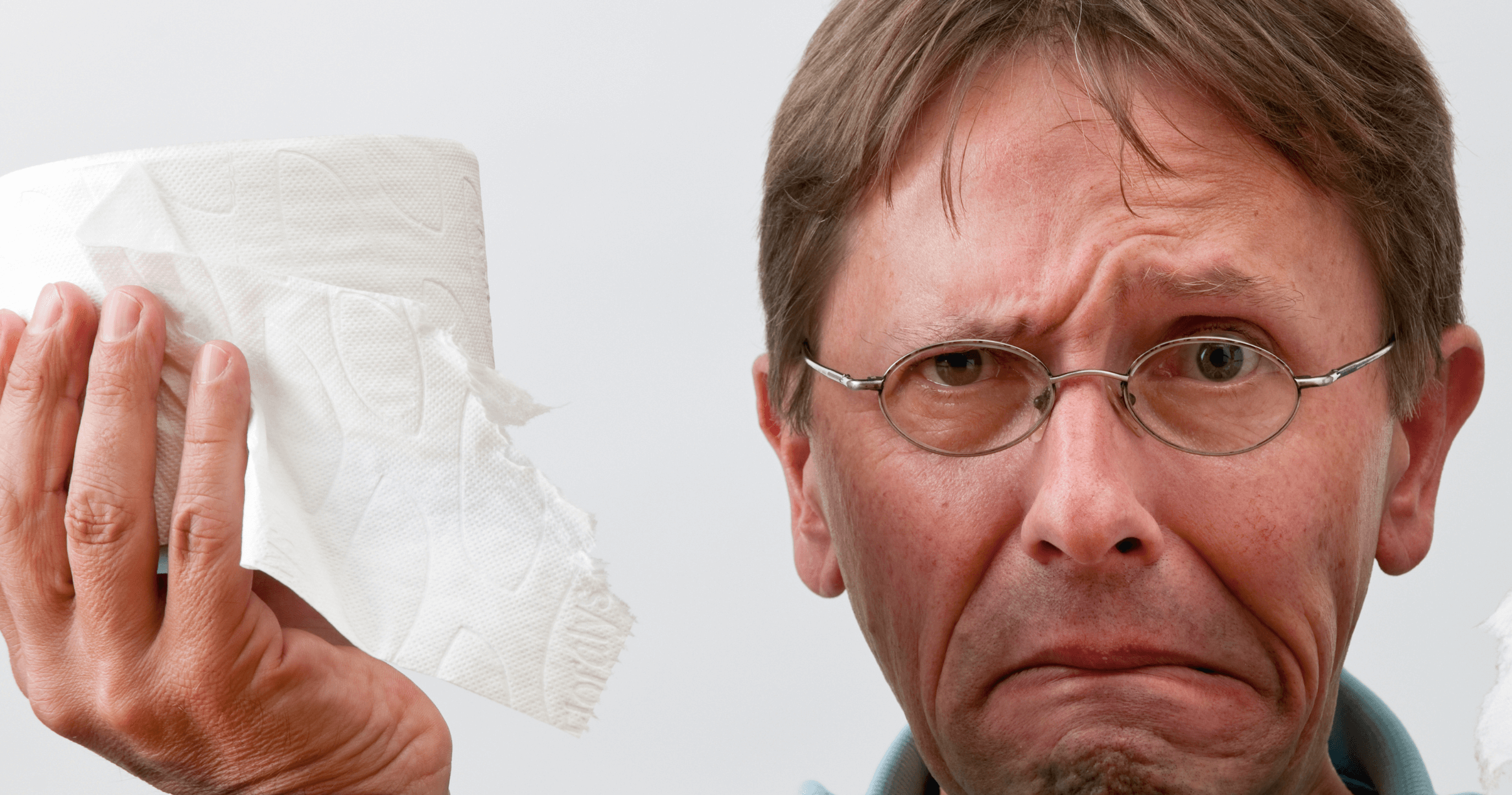
Looking for constipation relief? Well, your not alone. Constipation affects approximately 16% of adults worldwide and accounts for over 2.5 million healthcare visits annually in the United States alone (1). This uncomfortable condition can significantly impact quality of life and overall wellbeing.
When you’re experiencing constipation, you may notice:
- Fewer than three bowel movements per week
- Hard, dry, or lumpy stools
- Straining or pain during bowel movements
- A feeling of incomplete evacuation
Fortunately, many natural remedies can provide constipation relief. Here are 12 effective approaches to help ease constipation:
1. Stay Hydrated
Dehydration is a common cause of constipation. When your body lacks adequate water, it absorbs more fluid from your stool, making it harder and more difficult to pass (2).
Aim to drink at least 8-10 glasses of water daily. Some studies suggest that sparkling water may be particularly effective for constipation relief, as the carbonation can help stimulate bowel movements (3).
2. Increase Dietary Fiber
Fiber adds bulk to stool and helps it move more easily through your digestive tract. There are two main types:
- Soluble fiber: Dissolves in water to form a gel-like substance that softens stool. Found in oats, barley, fruits, vegetables, and legumes.
- Insoluble fiber: Adds bulk to stool and helps food pass more quickly through the stomach and intestines. Found in whole grains, nuts, and vegetables.
For constipation relief, psyllium (a soluble, non-fermentable fiber) has been shown to be particularly effective (4). Gradually increase your fiber intake to 25-30 grams daily to avoid bloating and gas.

3. Exercise Regularly
Physical activity stimulates the muscles in your intestines, helping move stool through your digestive system. Even gentle exercise like walking for 30 minutes daily can significantly improve constipation symptoms (5).
One study found that regular physical activity reduced the risk of constipation by 35% compared to a sedentary lifestyle (6).
4. Try Prunes and Prune Juice
Prunes (dried plums) are a time-tested remedy for constipation relief. They contain both fiber and sorbitol, a natural sugar alcohol that acts as a gentle laxative (7).
Research shows that consuming about 100 grams (10-12 prunes) daily can significantly increase stool frequency and improve consistency (8).
5. Include Probiotics in Your Diet
Probiotics are beneficial bacteria that can help improve gut health and relieve constipation. They work by balancing your gut microbiome and enhancing bowel movements (9).
Good sources include:
- Yogurt with live cultures
- Kefir
- Sauerkraut
- Kimchi
- Probiotic supplements
6. Drink Coffee
For many people, morning coffee stimulates the urge to have a bowel movement. Coffee stimulates the muscles in your digestive system and contains small amounts of soluble fiber (10).
Studies show that caffeinated coffee can stimulate colonic activity almost 60% more effectively than water (11).
7. Try Magnesium Citrate
Magnesium citrate is a natural osmotic laxative that draws water into the intestines, softening stool and promoting bowel movements (12).
A supplement of 200-400 mg daily can help relieve constipation, but consult with your healthcare provider before starting any supplement regimen.
8. Incorporate Prebiotic Foods
Prebiotics are types of fiber that feed the beneficial bacteria in your gut. By improving your gut microbiome, prebiotics can help relieve constipation (13).
Good prebiotic sources include:
- Bananas (especially slightly unripe ones)
- Onions and garlic
- Jerusalem artichokes
- Chicory root
- Oats
9. Consider Herbal Remedies
Several herbs have natural laxative properties:
Senna: Contains plant compounds called glycosides that stimulate intestinal contractions (14). Available as tea or supplements.
Cascara sagrada: A traditional remedy that works similarly to senna but may be gentler for some people.
Always use herbal laxatives cautiously and for short periods only, as they can cause dependence if used long-term.
10. Try Abdominal Massage
Gentle massage of your abdomen in a clockwise direction (following the path of your colon) can help stimulate bowel movements (15).
One study found that abdominal massage reduced constipation severity and increased bowel movement frequency in people with chronic constipation (16).
11. Squat When You Go
The modern toilet may actually contribute to constipation. Squatting straightens the rectum, making elimination easier (17).
Consider using a toilet stool that elevates your feet while sitting on the toilet to create a more natural squatting position.
12. Establish a Regular Bathroom Routine
Your body thrives on routine. Try to use the bathroom at the same time each day, preferably after meals when your colon is most active (18).
Don’t ignore the urge to go, as this can lead to harder stools and more difficult bowel movements over time.
When to See a Doctor
While occasional constipation is common, consult a healthcare provider if:
- Constipation lasts longer than three weeks
- You have severe abdominal pain
- You notice blood in your stool
- You experience unexplained weight loss
- Home remedies don’t provide relief
Remember, chronic constipation may indicate an underlying health condition that requires medical attention.

References
- Bharucha AE, Lacy BE. Mechanisms, evaluation, and management of chronic constipation. Gastroenterology. 2020;158(5):1232-1249.
- Arnaud MJ. Mild dehydration: a risk factor of constipation? European Journal of Clinical Nutrition. 2003;57(2):S88-S95.
- Cuomo R, et al. Carbonated beverages and gastrointestinal system: between myth and reality. Nutrition, Metabolism & Cardiovascular Diseases. 2009;19(10):683-689.
- McRorie JW, et al. Psyllium: a promising fiber for maintenance of gastrointestinal health. World Journal of Gastroenterology. 2017;23(14):2470-2480.
- De Schryver AM, et al. Effects of regular physical activity on defecation pattern in middle-aged patients complaining of chronic constipation. Scandinavian Journal of Gastroenterology. 2005;40(4):422-429.
- Dukas L, Willett WC, Giovannucci EL. Association between physical activity, fiber intake, and other lifestyle variables and constipation in a study of women. American Journal of Gastroenterology. 2003;98(8):1790-1796.
- Attaluri A, et al. Randomised clinical trial: dried plums (prunes) vs. psyllium for constipation. Alimentary Pharmacology & Therapeutics. 2011;33(7):822-828.
- Lever E, et al. The effect of prunes on stool output, gut transit time and gastrointestinal microbiota: A randomised controlled trial. Clinical Nutrition. 2019;38(1):165-173.
- Dimidi E, et al. The effect of probiotics on functional constipation in adults: a systematic review and meta-analysis of randomized controlled trials. American Journal of Clinical Nutrition. 2014;100(4):1075-1084.
- Brown SR, et al. Effect of coffee on distal colon function. Gut. 1990;31(4):450-453.
- Rao SS, et al. Is coffee a colonic stimulant? European Journal of Gastroenterology & Hepatology. 1998;10(2):113-118.
- Mori H, et al. Clinical features of hypermagnesemia in patients with functional constipation. Journal of Neurogastroenterology and Motility. 2019;25(4):563-573.
- Quigley EMM. Prebiotics and probiotics in digestive health. Clinical Gastroenterology and Hepatology. 2019;17(2):333-344.
- Wald A. Constipation: Advances in diagnosis and treatment. JAMA. 2016;315(2):185-191.
- Lämås K, et al. Effects of abdominal massage in management of constipation—A randomized controlled trial. International Journal of Nursing Studies. 2009;46(6):759-767.
- McClurg D, et al. Abdominal massage for the alleviation of constipation symptoms in people with multiple sclerosis: a randomized controlled feasibility study. Multiple Sclerosis Journal. 2011;17(2):223-233.
- Sikirov D. Comparison of straining during defecation in three positions: results and implications for human health. Digestive Diseases and Sciences. 2003;48(7):1201-1205.
- Rao SS. Constipation: evaluation and treatment of colonic and anorectal motility disorders. Gastroenterology Clinics of North America. 2007;36(3):687-711.


